
A tech reader’s guide to buying and selling Forex
Practical, tech-focused guide to understanding forex buying and selling for readers who value clarity, safety, and tools. Includes risk checks, platform tips, a

Begin with a clear aim: forex trading involves exchanging one currency for another to profit from price movements. This guide translates trading concepts into practical steps for tech-minded readers, emphasizing tools, platforms, and safety. You’ll learn how to assess brokers, set up a secure workspace, and use data to make informed decisions.
Next, we compare common forex approaches—from spot trading to leveraged positions—highlighting how tech features like automated alerts, API access, and backtesting influence outcomes. The goal is to help you choose a method that fits your risk tolerance and learning curve, without hype or guesswork.
Finally, we outline a tech-savvy workflow: verify platforms, configure protective settings, monitor markets with real-time data, and document decisions for ongoing improvement. The emphasis is on repeatable, transparent processes that work well with a developer’s mindset.
- This guide translates forex buying and selling into a tech-minded workflow. Start by understanding core concepts, then choose a path that fits your risk comfort. Use automation and security tools to support disciplined trading habits.
- Tech features like data depth, API access, and backtesting shape practical decisions. Verify platforms carefully, test with a demo, and document results for continuous improvement.
- A structured approach reduces surprises: set risk controls, pick trusted platforms, and maintain a clean, secure trading environment. Record decisions to learn which methods work best for you.
- Throughout, keep a steady eye on safety, data integrity, and transparent processes. The right setup makes forex trading more predictable for a technically minded reader.
Foundations for forex buying and selling
Core concepts to know
Forex is the market where currencies trade on pairs. You’ll see quotes like EUR/USD and assess price movements, volatility, and liquidity. A solid grasp of margins, leverage, and order types reduces surprises in fast markets. This foundation supports safer, more deliberate trades. buy and sell in Atherton, California is a phrase used for this guide
- Choose a reputable broker with clear fees
- Open a demo account to practice
- Set risk limits before trading
- Review a trade log after each session
- Currency pairs and quotes
- Leverage and margin basics
- Order types you’ll encounter
- Price action versus indicators
Tech-enabled trading tools
Modern forex platforms offer charting, alerts, and APIs that let you automate routines. Tech readers benefit from testing strategies on historical data before risking capital. Use secure connections, two-factor authentication, and device controls to protect assets. Start with small experiments to verify your setup.
- Charting and indicators
- APIs and automation
- Security features to enable
- Backtesting and paper trading
How to choose a forex path

Spot trading versus longer holds
Spot trading involves buying and selling currencies for immediate settlement, while longer holds rely on analysts’ forecasts and macro events. Tech-minded traders often favor clear entry rules and exit criteria, supported by automation. Align your approach with your learning pace and risk comfort. Atherton FM Atherton, California news reflects local tech and finance activity
- ☐ Define entry signals
- ☐ Set stop-loss and take-profit levels
- ☐ Document rationale for each trade
- ☐ Review outcomes regularly
- Immediate settlement
- Holding rules
- Risk‑reward considerations
- Automation for exits
Choosing platforms and data
Platform selection hinges on execution quality, data depth, and security. Compare fees, latency, and the availability of real‑time feeds. Ensure you can export data for analysis and that your devices stay within your security policy. Practice on a simulated account before using real money.
- Execution speed
- Data quality
- Exportable analytics
- Security and compliance
Forex options and risk controls
Leverage and position sizing
Leverage magnifies both gains and losses. Use fixed percentage risk to limit exposure per trade and avoid large drawdowns. Tech tools can enforce these limits automatically, preventing overtrading. Start with conservative sizes and scale only after consistency emerges. community events in Atherton, California provide context for local interest in markets
- Set per-trade risk cap
- Use auto‑stop logic
- Monitor cumulative risk
- Scale with track record
| Method | Pros | Cons |
|---|---|---|
| Spot trading | Immediate settlement, clear rules | Requires constant monitoring |
| Leverage-based | Potential for higher returns | Higher risk and complexity |
| Automated trading | Consistency and speed | Technical maintenance needed |
Security and privacy
Forex trading platforms collect sensitive data and may face cyber threats. Prioritize platforms with strong encryption, account isolation, and reputable audits. On your end, keep devices updated, use password managers, and separate trading from personal use to limit risk. Regular security hygiene reduces incident impact.
- Strong encryption
- Two-factor authentication
- Regular software updates
- Separate devices for trading
Validate feeds, compare several providers, and watch for lag during volatile periods.
Common pitfalls and warnings

Overconfidence and fatigue
Long sessions can dull judgment and inflate risk. Build routines that include breaks and strict exit rules. Automated checks can catch emotional mistakes, but human discipline remains essential. Treat losses as data to learn from, not as a reflection of skill. find local businesses in Atherton, California connects readers to services that help with forex education
- Take breaks
- Use predefined exits
- Document decisions
- Review learning moments
Data reliability and myths
Not all data sources are equally trustworthy. Validate feeds, compare several providers, and watch for lag during volatile periods. Blind trust in a single source leads to skewed decisions. Prioritize transparent, reproducible data processes.
- Cross‑check feeds
- Test latency
- Favor sources with history
- Document data assumptions
Advanced testing and automation
Automated testing workflows
Start with a reproducible testing plan that mirrors real market conditions. Use historical data to validate strategies and understand drawdown patterns. Document each test so you can compare results over time and adjust parameters accordingly. place an obituary in Atherton, California
Automate data collection to reduce lag and human error. Script data imports, indicator calculations, and trade simulations to run overnight. Review logs to identify bias or coding mistakes that skew results.
Set clear success criteria before you test, such as minimum win rate or maximum acceptable drawdown. Keep tests modular so you can swap indicators without rewriting the whole script.
- Define entry and exit rules explicitly
- Separate data handling from strategy logic
- Track risk metrics like maximum drawdown
- Backtest with walk-forward analysis
- Audit code for edge cases
Manual validation routines
Automated tests are essential, but manual checks catch logic errors the simulator might miss. Compare a few trades on a chart to verify that signals align with your rules.
Validate order execution paths in a safe sandbox environment before live deployment. Ensure that slippage, latency, and fees are considered in the model.
Keep a changelog of rule tweaks and verify results against a control run to isolate the impact of each adjustment.
- Cross-check with a trusted charting tool
- Review execution feeds for timing gaps
- Log all test outcomes with timestamps
- Retest after any code change
Regulatory and tax considerations
Compliance basics for traders
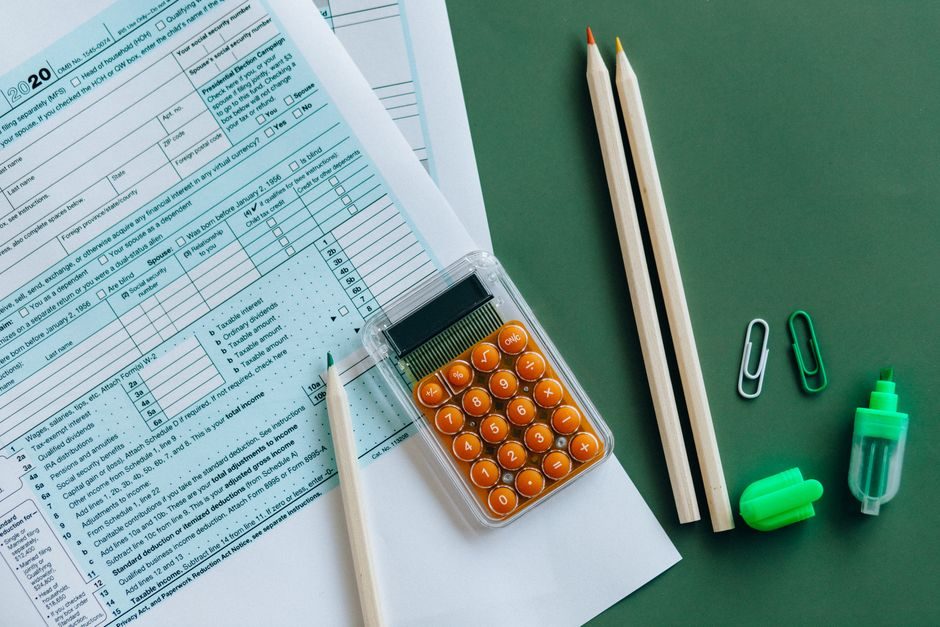
Understand the basic licensing and reporting requirements that affect individuals using forex platforms. Even casual traders should keep records of trades, deposits, and withdrawals.
- Keep a monthly log of trades and balances.
- Review tax forms for forex-specific entries.
Know which jurisdictions tax profits and how to report them. Many traders treat forex income as ordinary income or capital gains, depending on activity and intent.
Set up a simple filing process that matches your trading frequency, so you’re not scrambling at tax time.
- Maintain a trade ledger
- Separate personal and trading accounts
- Consult a tax professional when in doubt
- Keep receipts and platform statements
Data privacy and platform safety
Choose platforms that offer transparent data handling and robust security features. Read about encryption, account recovery options, and two-factor authentication.
Regularly review permissions and connected apps to minimize exposure. Disable third-party access that isn’t essential to your workflow.
Plan for incident response, like what you’ll do if access is compromised or a platform experiences downtime.
- Enable MFA on all accounts
- Limit API access to trusted tools
- Keep software up to date
- Have a quick recovery plan
Education resources and communities
Structured learning paths
Begin with fundamentals to build a solid base in price action, leverage, and risk management. Progress to strategy design and performance review with a clear checklist for each module.
- Choose modules that match your current level.
- Summarize each module in a one-page note.
Use a mix of tutorials, practice accounts, and small, controlled live trades to reinforce learning. Track improvements with a personal dashboard.
Set milestones that map to your availability, then adjust as you gain confidence.
- Foundational courses
- Practical simulations
- Performance reviews
- Progress milestones
Communities and mentor guidance
Engage with forums and study groups to expose yourself to diverse strategies and risk profiles. Active participation helps you spot biased thinking and overfitting.
Seek mentors who can review a few trades and explain decision logic. A good mentor translates theory into actionable steps for real markets.
Keep conversations focused on process, not hype, and compare ideas against objective metrics.
- Ask for trade journals
- Request rationale explanations
- Share your results honestly
- Respect different approaches
Final tech‑forward buying checklist

Practical platform selection
Evaluate platforms for latency, reliability, and data access. A tech reader benefits from low slippage, fast order routing, and transparent fee structures.
Test a platform with a demo account before committing funds. Look for clear charts, robust API options, and comprehensive risk controls.
Make a short list of must-haves and nice-to-haves to guide your choice and avoid feature bloat.
- Low latency
- Strong risk controls
- Reliable uptime
- Clear fee schedule
- Good API support
Security toolkit
Set up a security stack that defends against phishing, credential theft, and account takeovers. Use hardware keys and encrypted backups where available.
Regularly audit access permissions and rotate credentials on a fixed cadence. Disable unused integrations and review alert settings.
Prepare an incident playbook that covers what to do if you suspect a breach or an abnormal withdrawal.
- Hardware security keys
- Regular credential rotation
- Restricted API access
- Clear incident playbook
Frequently asked questions
What is forex and how does it work for tech buyers?Forex is the market for exchanging one currency for another. Tech readers often access it through online platforms that provide real-time quotes, order types, and risk controls. Understanding leverage, margin, and fees helps you assess platform suitability and build reliable automation that matches your preferred risk level.
How do I choose a forex platform with strong security?Look for platforms that offer two-factor authentication, encrypted data transmission, and clear privacy policies. Check for reviewable security audits, independent compliance certifications, and documented incident response plans. A well-secured setup reduces the risk of credential theft and unauthorized trades.
What education should a beginner pursue?Start with fundamentals on price action, order types, and risk management. Use mock trading to practice signals and exit rules, then review outcomes against a checklist. Gradually add automation and data analysis as confidence grows.
Are there common mistakes beginners make?Overtrading, inconsistent risk settings, and relying on vague signals are common. Build a routine, keep a simple strategy, and test changes in a sandbox before live deployment.
Closing technical takeaway
Technology-minded traders benefit from a clear, documented process that combines testing, security, and disciplined learning. Build your pipeline so every trade follows a defined rule set and audit trail.
Next steps involve selecting a platform, setting up a security kit, and starting a guided education path with a simple, repeatable workflow.
Add Honda Accord Cars as a preferred source on Google


