
Honda Parts vs. Aftermarket: Choose the Right Fit
Compare genuine Honda and aftermarket parts by fit, quality, warranty, and value. Learn how to verify compatibility and avoid common buying mistakes.

For a Honda Accord, choose a genuine Honda part when exact factory fit, a familiar specification, or a repair covered by a Honda warranty matters most. A well-made aftermarket part can be a sound alternative when it lists your exact model and engine, comes from a reputable seller, and meets the job’s requirements. Verify fitment and return terms before ordering either option.
The right choice depends on the component, not just its price or label. A simple maintenance item may have several suitable alternatives, while electronics, safety-related parts, or components that affect drivability call for especially careful matching.
Before you buy, check your Accord’s year, trim, engine, and any relevant part number. Then compare the product details, seller support, warranty coverage, and return policy so a lower-cost part does not become an expensive fitment mistake.
- Match every part to your Accord’s year, trim, engine, and relevant part number.
- Genuine Honda parts offer a factory-listed option; aftermarket parts can work when their specifications and fitment are clear.
- Compare warranty coverage, seller support, included hardware, and return terms before ordering.
- Do not install a part if it requires forcing, modification, or unresolved fitment assumptions.
Why the Right Replacement Part Matters
Fit Affects More Than Installation
A replacement part must match the Accord’s design and operating requirements, not merely look similar to the old one. Differences in connector shape, mounting points, dimensions, or calibration can prevent installation or create problems after the repair. Check the application details for your specific model before assuming a part fits every Accord from the same generation.
- ☐ Record the Accord’s model year, trim, and engine before searching.
- ☐ Compare the replacement’s part number with the number on the removed component when available.
- ☐ Check connectors, dimensions, and mounting details against the vehicle.
- ☐ Confirm the seller’s return terms before opening or installing the part.
A mismatch can also affect nearby components. A filter that does not seal correctly may allow contaminants past it, while an incompatible sensor can trigger a warning light or send incorrect information to the vehicle’s control system. If installation requires forcing a connector or altering a bracket, stop and verify the part number rather than improvising.
The consequences depend on what the part does. A cosmetic trim piece may mainly create a poor appearance or fit, but brake, steering, suspension, and airbag-related components have direct safety implications. For critical systems, confirm the specification carefully and use a qualified technician if you are unsure about installation or the part’s suitability.
- Match the Accord’s year, trim, and engine.
- Compare connectors and mounting points.
- Check specifications for safety-related components.
- Stop if installation requires forcing or modifying a part.
Quality Shapes Long-Term Results
Material quality and manufacturing consistency influence how a part performs over time. An item that fits initially may still wear quickly, leak, corrode, or fail under heat and vibration if its materials or construction are unsuitable. Look for clear specifications and a traceable manufacturer rather than relying on a listing that says only “fits Honda.”
For routine service parts, compare the product’s stated construction and intended use with the vehicle’s requirements. A cabin filter, for example, should have the correct dimensions and airflow characteristics, while a belt must match the required length and profile. These details help distinguish a technically suitable alternative from a generic item with vague claims.
The seller’s support matters when product information is incomplete or a part arrives damaged. A seller who can confirm application details and explain the warranty gives you a better way to resolve uncertainty than a listing with no meaningful contact information. Keep the order confirmation and packaging until the part is installed and working as expected.
How to Check Fitment Before You Buy
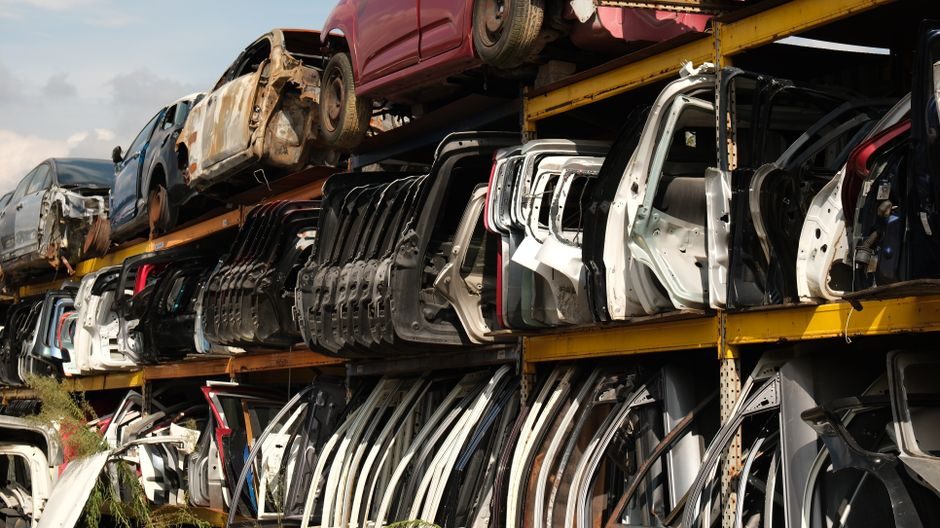
Start With Vehicle Details
Use your Accord’s exact year, trim, and engine to begin a parts search; the model name alone is not enough. Equipment and applications can differ within one model year, and listings may separate vehicles by engine or production details. Your owner’s manual and registration can help confirm basic information before you compare catalog results.
When available, use the vehicle identification number to check a catalog or ask a parts counter to verify the application. A VIN-based lookup can narrow the search, but you should still read the listed fitment notes and exceptions. Confirm details such as body style, drivetrain, or production range when the seller identifies them as relevant.
If you run a local parts shop, Local Seo Services may help keep its business details and location information consistent across search listings. For a vehicle owner, the practical point is to verify that a store’s address, hours, and contact details are current before making a special trip. Call ahead if the part is listed as available for pickup.
- Check year, trim, and engine.
- Use the VIN when a catalog supports it.
- Read fitment notes and exclusions.
- Confirm local stock before traveling.
Cross-Check Part Numbers
Compare the replacement’s part number with the number on the existing part or a reliable vehicle-specific catalog. A matching number is a useful confirmation, but a different number does not automatically mean incompatibility: manufacturers may supersede older numbers or list an approved replacement. Ask the seller to explain any difference before placing the order.
Check the full description for the position and function of the component. Listings may distinguish left from right, front from rear, or a component with one connector from a similar-looking version with another. Photos can help identify visible differences, but they should support written fitment information rather than replace it.
Save a screenshot or copy of the listing and the seller’s fitment confirmation with your receipt. If the part does not match the description, that record makes it easier to explain the issue and request a return or exchange. Do not install a questionable component first, since installation or use may affect return eligibility.
Genuine Honda Parts and Aftermarket Options
What Genuine Parts Offer
Genuine Honda parts are sold for Honda vehicles and are generally specified for the intended application. They can simplify a repair when you want a factory-listed replacement or need to match an existing component closely. Still, confirm the part number and fitment for your Accord, because a genuine label alone does not identify every variation.
A genuine part may be a practical choice for components with precise electronic, safety, or fit requirements, especially when uncertainty about an alternative would complicate diagnosis. Ask whether the part is new, remanufactured, or otherwise described differently, and check what the seller’s warranty covers. The details can vary by seller and by the specific product.
For a routine service item, compare the genuine option with alternatives on exact application, stated specifications, warranty, and return conditions. Do not assume a factory-branded part is automatically the best choice for every repair, or that it will resolve an underlying problem. Diagnose the cause first, then select a replacement that meets the vehicle’s requirements.
- Useful when a factory-listed application is important.
- Confirm the exact part number and condition.
- Review seller warranty and return terms.
| Choice | What to verify | Often suits |
|---|---|---|
| Genuine Honda | Exact part number and condition | Factory-listed replacement needs |
| Aftermarket | Manufacturer, specifications, and fitment | A verified alternative for the application |
| Either option | Warranty, included items, and returns | Any repair where seller support matters |
Choosing Aftermarket Alternatives
Aftermarket parts come from manufacturers other than Honda and range from vehicle-specific replacements to broader-fit products. A reputable alternative can meet the job’s needs, but check its manufacturer, specifications, application notes, and warranty rather than judging it by price alone. The listing should identify your Accord’s configuration clearly and explain any limits.
Compare like with like: the same component, intended application, and included hardware. A price difference may reflect a different material, a missing gasket or fastener, or a distinct warranty, so read the package contents and product notes. If the listing does not explain an important difference, ask the seller before deciding.
For a repair that affects braking, steering, suspension, or vehicle control, be especially cautious with vague product descriptions and unverified sellers. Choose a part with clear traceability and suitable specifications, and have a technician assess the option if you cannot confirm its application. A lower purchase price is not useful if the part does not fit or perform reliably.
Compare the same part across sources using its number, specifications, included hardware, and stated condition.
Where to Search for Parts and Accessories

Use Reliable Catalog Sources
Begin with a Honda parts catalog, a dealership parts counter, or a reputable retailer that allows you to enter vehicle details. These sources can help narrow the application and show whether an item is listed for your Accord. Seo Services can help a parts retailer make an online catalog easier to discover; for your purchase, prioritize accurate fitment details and clear seller support.
Compare the same part across sources using its number, specifications, included hardware, and stated condition. A listing that provides a complete description is more useful than one with a broad compatibility claim and a single product photo. If catalog results disagree, ask a parts professional to verify the application instead of choosing whichever result appears first.
Check whether the seller is shipping the part or fulfilling it locally, and confirm the return process before ordering. Some parts may have restrictions once opened, installed, or made to order, so read the policy for the specific item. Keep your invoice and any fitment correspondence in case the part arrives incorrect or does not match its description.
- Search by exact vehicle details or part number.
- Compare complete specifications, not just photos.
- Ask a parts counter when catalogs disagree.
- Read the item-specific return policy.
Check Accessories Carefully
Accessories also need to match the Accord’s body style, trim, and existing equipment. Floor mats, cargo organizers, roof attachments, and electronic add-ons can vary in shape, mounting method, or connection type. Check whether the product is designed for your exact vehicle and whether installation requires extra hardware that is not included.
For an accessory that connects to the vehicle’s electrical system, verify its power requirements and installation instructions before purchase. A plug that appears compatible does not prove the accessory is suitable, and poor installation can interfere with other equipment. If wiring or vehicle modifications are involved, consider having a qualified installer review the plan.
Use seller photos and installation documents to confirm what arrives in the package and how the accessory attaches. Compare those details with your vehicle rather than relying on a generic image or a broad statement of compatibility. If you cannot confirm a secure fit or a safe installation method, choose a better-documented option or ask the seller for clarification.
Pitfalls: Compatibility, Quality, and Warranty
Look Beyond the Model Name
A part that fits one Accord may not fit another, even when both cars share a model year. Check the vehicle identification number, trim, engine, transmission, and production details against the seller’s fitment notes. For suspension, brake, and electrical components, confirm any listed exclusions rather than assuming a broad “fits Accord” label covers your car.
Compare the part number on the old component with the replacement listing when the number is visible and legible. Superseded Honda part numbers may lead to a current replacement, but verify that relationship through a Honda parts catalog or a knowledgeable parts counter. If numbers do not match, ask the seller to confirm compatibility in writing before ordering.
Check whether the listing includes everything needed for installation, such as clips, seals, sensors, or mounting hardware. A photo can help you compare connector shape and mounting points, but it cannot confirm internal specifications. When a listing is vague or inconsistent, pause and get a precise answer instead of relying on a return policy to correct a preventable mismatch.
Read Warranty Terms Carefully
A warranty is useful only if you understand what it covers and what proof the seller requires. Check the coverage period, exclusions, labor reimbursement, and whether the claim goes through the manufacturer or retailer. Keep in mind that a part warranty may cover the component without paying for diagnosis, removal, or a second installation.
Do not assume that installing an aftermarket part automatically cancels the vehicle’s entire warranty. Warranty disputes generally turn on the specific failure and whether the part or its installation caused damage; ask the dealer or manufacturer to explain a concern in writing. Keep the receipt, packaging, and installation record so you can document what was fitted and when.
Quality varies among aftermarket suppliers, so look for a clear manufacturer identity, traceable part number, and specific material or performance details. Be cautious when a listing offers no meaningful specifications or uses stock images that do not show the actual component. A low price alone does not prove poor quality, but missing information makes a sound comparison harder.
Tips for Comparing Sellers and Part Listings
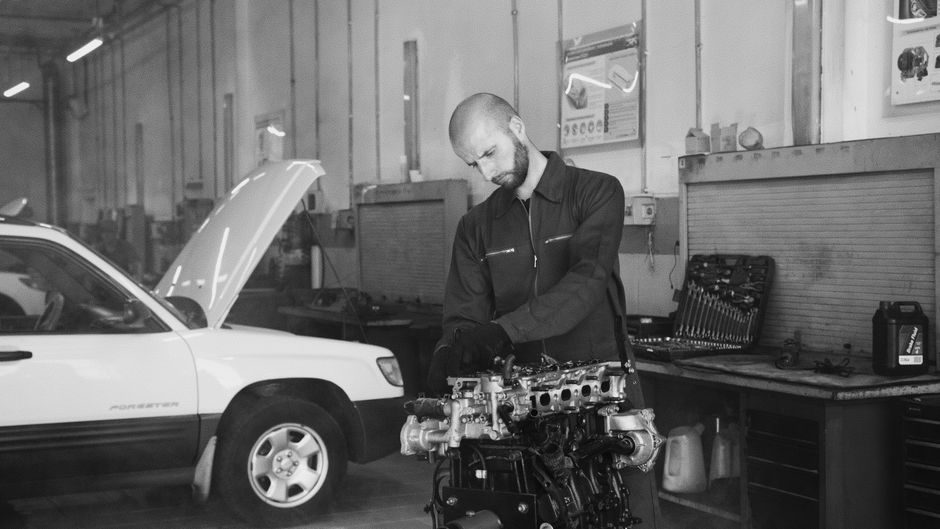
Compare Complete Listings
Compare the exact part, included hardware, shipping terms, and return rules rather than judging listings by headline price. One seller may include a gasket or clips that another sells separately, changing the real cost and installation effort. Check whether the item is new, remanufactured, or used, and make sure that condition matches your needs.
- Match the listing to your exact vehicle details.
- Compare included items as well as price.
- Read return terms before installation.
Look for a seller that identifies the part’s manufacturer and provides a usable fitment process. Ask whether the listing is based on your VIN or only on a general model-year range, especially for parts that changed during a model run. For readers who run a parts business in Leicester, Leicester Seo Services can help local customers find a business through accurate local listings.
Review return conditions before paying, including who covers return shipping and whether installed parts can be returned. Some sellers may reject a return if packaging, seals, or labels are missing, so keep them intact until fitment is confirmed. If the seller cannot explain the policy clearly, choose a listing with transparent terms rather than expecting a dispute to resolve smoothly.
- Confirm new, remanufactured, or used condition.
- Check what hardware and seals are included.
- Review return shipping and installation restrictions.
Assess Seller Support
Useful seller support means getting a specific answer, not a quick assurance that a part should fit. Send the VIN and ask the representative to confirm the exact part number and any required companion components. Save the reply with your order record so you have a clear reference if the package differs from what was confirmed.
Check whether the seller provides a physical business address, clear contact options, and an understandable process for warranty claims. These details do not guarantee a trouble-free purchase, but they make it easier to resolve a wrong shipment or defective component. For marketplace listings, distinguish the platform’s policies from the individual seller’s terms.
Read reviews for details relevant to parts buying, such as accurate fitment, careful packaging, and prompt handling of returns. Treat repeated reports of incorrect components or evasive support as a reason to ask more questions. A single complaint may not tell the whole story, so weigh the pattern alongside the listing’s specifications and the seller’s direct answers.
When an Upgrade Is Worth the Extra Cost
Match Upgrades to Your Use
An upgrade makes sense when it solves a specific problem or suits how you drive, not simply because it is advertised as an improvement. A driver who regularly carries passengers may value a different suspension feel than someone focused on sharper responses. Start by identifying the limitation you want to address, then check whether the part is designed for that use.
Consider the effect on comfort, noise, fuel economy, and maintenance before changing a factory component. A more aggressive tire or suspension setup may alter ride quality, while an engine modification can affect emissions compliance or reliability. Check applicable state and federal requirements, and confirm that the part is appropriate for your Accord’s engine and trim.
Compare the upgrade with a replacement part that restores the original specification. If the factory component is worn, a correctly matched standard replacement may solve the concern without changing handling or operating behavior. An upgrade is easier to justify when its benefit is clear, its trade-offs are acceptable, and the installation plan accounts for any related parts or alignment work.
Check Supporting Components
Some upgrades work properly only with related changes, so check the full installation requirements before ordering. A suspension change may call for an alignment, while a performance component may require different supporting hardware or calibration. Ask the manufacturer or a qualified installer what else is needed, and include those items in your comparison.
Confirm whether the upgrade is intended for street use, track use, or both. A part designed for one setting may be noisy, uncomfortable, or unsuitable in another, even if it physically fits the car. Review installation instructions and any maintenance requirements so you know what ownership will involve after the initial work is complete.
Use a qualified technician when the job affects brakes, steering, suspension, or engine management and you lack the right tools or experience. Before installation, confirm the part number and inspect the component for shipping damage. If the package contains different hardware from the instructions or listing, stop and contact the seller rather than improvising a fit.
Keep Records and Check the Part After Installation
Document the Purchase and Work
Keep the invoice, part number, warranty terms, and vehicle details together after buying a replacement. Record the installation date and odometer reading, along with the shop’s name or your own notes if you installed it yourself. These details help identify the component later and support a warranty claim if a fault appears.
- Save the receipt and warranty terms.
- Record the part number and vehicle details.
- Photograph labels and packaging.
- File the installation invoice and follow-up notes.
Photograph the new part and its label before installation, especially if the number is printed on packaging that may be discarded. Save any fitment confirmation from the seller and the instructions supplied with the component. If a shop performs the work, request an itemized invoice that identifies the part rather than a general description such as “repair.”
Note any related work completed at the same time, such as an alignment or replacement of associated hardware. This record helps distinguish a part problem from an issue caused by another repair or an installation step. Store the documents where you can find them when servicing the car, selling it, or contacting the supplier.
Inspect for Proper Operation
After installation, check for warning lights, leaks, unusual noise, vibration, or a change in braking or steering. Follow the installer’s guidance on any initial checks, and do not continue driving if a safety-related symptom appears. Stop in a safe place and arrange an inspection rather than assuming a new component simply needs time to settle.
Look over accessible connections and fasteners only if you can do so safely and the vehicle is properly supported. Never crawl beneath a car held only by a jack, and do not retighten critical components without the correct procedure and tools. A qualified shop can verify installation torque, clear diagnostic codes appropriately, and inspect concerns that are not obvious from outside.
Contact the installer or seller promptly if the part does not behave as expected, and describe the symptom precisely. Include when it started, the conditions in which it occurs, and any warning messages. Avoid removing or modifying a questionable part before confirming the warranty process, since the supplier may need to inspect it or document the original condition.
Frequently asked questions
Are genuine Honda parts always better than aftermarket parts?Not always. Genuine Honda parts are designed to match the vehicle’s original specifications, which can make fitment straightforward. Aftermarket parts range from reputable, well-specified alternatives to products with limited information. Compare the exact application, manufacturer details, warranty, and return terms; the right choice depends on the component and how confidently its fit and quality can be verified.
Can I use my VIN to confirm a replacement part?Yes, a VIN can help a parts department or seller identify the vehicle configuration and narrow down compatible components. It is especially useful when a model year includes different trims, engines, or production changes. Still, ask the seller to confirm the actual part number and any exclusions, since a generic online catalog may not account for every variation.
Should I replace related parts at the same time?Replace related components when the service procedure requires it, when they are worn or damaged, or when access makes separate labor impractical. For example, installation instructions may call for new seals or fasteners. Do not replace parts automatically just because they are nearby; ask a technician to explain the condition, function, and consequences of reusing each item.
What should I do if a new part does not fit?Stop the installation and compare the part number, connectors, mounting points, and included hardware with the listing and original component. Do not force a connection or modify the part to make it fit. Photograph the discrepancy, contact the seller with your VIN and order details, and follow its return or exchange procedure while keeping the packaging intact.
Choose With Fitment and Follow-Through in Mind
The safest buying decision starts with the exact Accord configuration, a verified part number, and a clear understanding of what the listing includes. Genuine Honda components can simplify matching original specifications, while a well-documented aftermarket part may offer a suitable alternative. Compare warranty coverage and return rules alongside quality details, and treat vague fitment claims as a reason to pause.
Before ordering, send the seller your VIN and request confirmation of the part number and any required hardware. Keep the response, invoice, and installation record together, then check the component’s operation after fitting. If the part affects safety systems or the installation raises questions, have a qualified technician inspect it before returning to regular driving.

Add Honda Accord Cars as a preferred source on Google


