
How to buy and sell in trading: a tech reader’s guide
A practical, reader-focused checklist for buying and selling in trading, with safety tips, platform options, and technology-driven workflows for Aberdeen and be

Buying and selling in trading hinges on clear steps, solid data, and trusted platforms. This guide speaks to tech readers who want practical, repeatable processes and safeguards. You’ll learn how to approach trades, verify sources, and use tools that reduce risk while increasing visibility.
The first section outlines the basics: what you’re buying, how you measure value, and where to begin with digital platforms. It emphasizes choosing established, tech-friendly routes and documenting every decision. Expect concrete examples, not guesses, so you can apply the steps immediately.
Finally, you’ll see how to connect these steps to broader tech workflows—from data tracking to cybersecurity practices—so trades stay aligned with your systems and standards.
- This guide breaks down how to buy and sell in trading with a tech-centric lens. It covers foundations, safe execution, and the right tools. You’ll see concrete steps, practical checks, and examples you can apply today.
- Expect a focus on data integrity, cybersecurity, and automation that fits a modern software stack. The material stays away from hype and sticks to proven workflows.
- The sections translate trading basics into developer-friendly processes, from asset selection to order routing and monitoring. It ends with how to choose tools that align with your tech stack.
- Throughout, reference to practical resources is framed to support cautious experimentation and repeatable success.
Foundations for trading decisions
Define what to trade
Begin by listing asset types that fit your tech skills and risk tolerance. Consider liquidity, volatility, and how data-driven your analysis can be. Use a simple scoring method to compare options before you invest. buy and sell in Aberdeen
- Overlooking data quality leads to bad decisions.
- Ignoring platform API limits slows you down.
- Failing to set exit rules increases losses.
This section offers a practical checklist for selecting assets aligned with your toolkit. It highlights how to evaluate datasets, APIs, and monitoring tools that support quick decisions.
Your choice should scale with your technical setup, allowing you to monitor multiple assets without fragmentation.
- Identify liquidity needs
- Check data access
- Assess tool compatibility
- Estimate risk with models
- Plan exit criteria
Choose a trading venue
Different venues suit different tech stacks: traditional exchanges, crypto platforms, and hybrid marketplaces all have their own APIs and latency profiles. Prioritize venues with robust logging, API reliability, and clear security practices. Test connectivity with sandbox environments when available.
This subsection maps venue features to common developer workflows, showing how to automate order entries and reconciliations. It also notes how latency and uptime affect your strategy.
Choosing a venue is about aligning speed, transparency, and risk controls with your software stack.
- APIs for automation
- Security features
- Latency and uptime
- Fee structures
- Reconciliation tools
How to execute trades safely
Set up a repeatable workflow
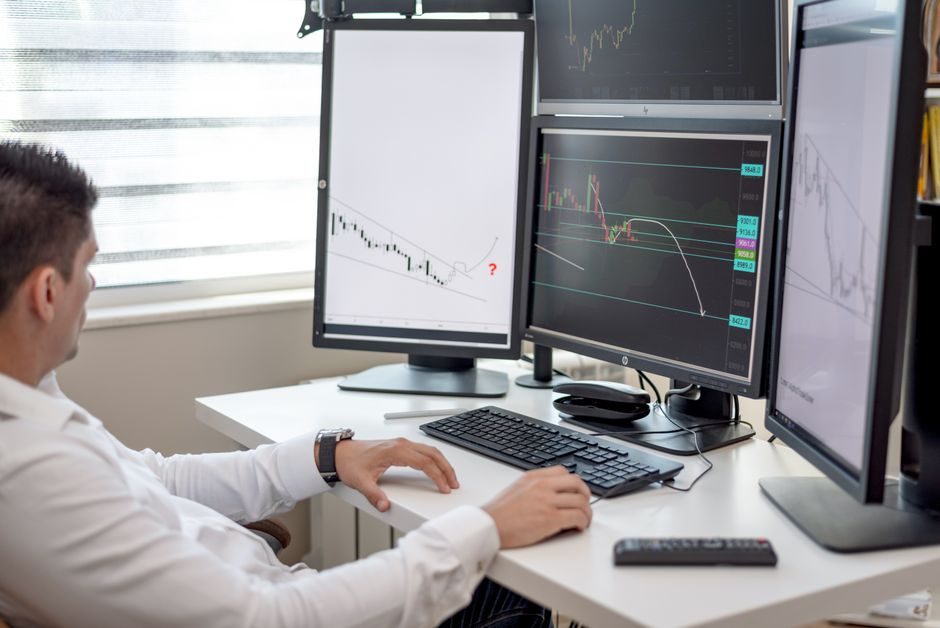
Document every step from data intake to order placement. A repeatable workflow reduces mistakes and makes audits easier. Use automated checks to confirm data integrity before sending orders. A useful resource on this topic: aberdeennews.uk.
This section shows a concrete workflow example, including data validation, risk checks, and order routing. It also explains why automation matters for consistency.
A stable workflow keeps your tech environment predictable, even when markets move quickly.
- Data validation
- Risk checks
- Order routing
- Audit trails
Guard against cyber risks
Trading systems attract attackers who target credentials and APIs. Use multi-factor authentication, short-lived tokens, and restricted IP access. Keep software up to date and monitor for anomalies.
This part emphasizes practical cyber hygiene and real-world protections for trading apps and dashboards.
Cybersecurity is not optional when you rely on automated trading and external data feeds.
- MFA everywhere
- Token lifetimes
- IP whitelisting
- Regular updates
- Anomaly detection
What to know about options and tools
Evaluate tools for data and alerts
Choose tools that fit your data needs, including streaming feeds, backtesting, and alerting. Prioritize platforms with strong documentation and SDKs. Test features against your use case before committing. advertise your event in Aberdeen
This subsection provides a decision framework for selecting data and alerting tools. It shows how to map features to your trading plan.
Good tooling reduces manual work and speeds up reactions without sacrificing accuracy.
- Streaming data quality
- Backtesting capabilities
- Notification and automation
- SDK and integration support
| Tool type | Key strengths | Typical use |
|---|---|---|
| Streaming data | Real-time insights | Active monitoring |
| Backtesting | Historical testing | Strategy validation |
| Alerting | Timely notifications | Event-driven actions |
Understand the limits of automation
Automation helps scale, but it isn’t foolproof. Set guardrails, simulate edge cases, and keep a human-in-the-loop for critical decisions. Regularly review automation rules as markets evolve.
This section explains how to balance automation with human oversight and ongoing tuning.
Automation should extend your capabilities, not replace judgment.
- Guardrails
- Edge-case testing
- Human-in-the-loop
- Regular rule reviews
Establish a data-ownership map within your workflow so responsible teams own feeds, storage, and validation rules.
Advanced data integrity
Verifying feeds and sources
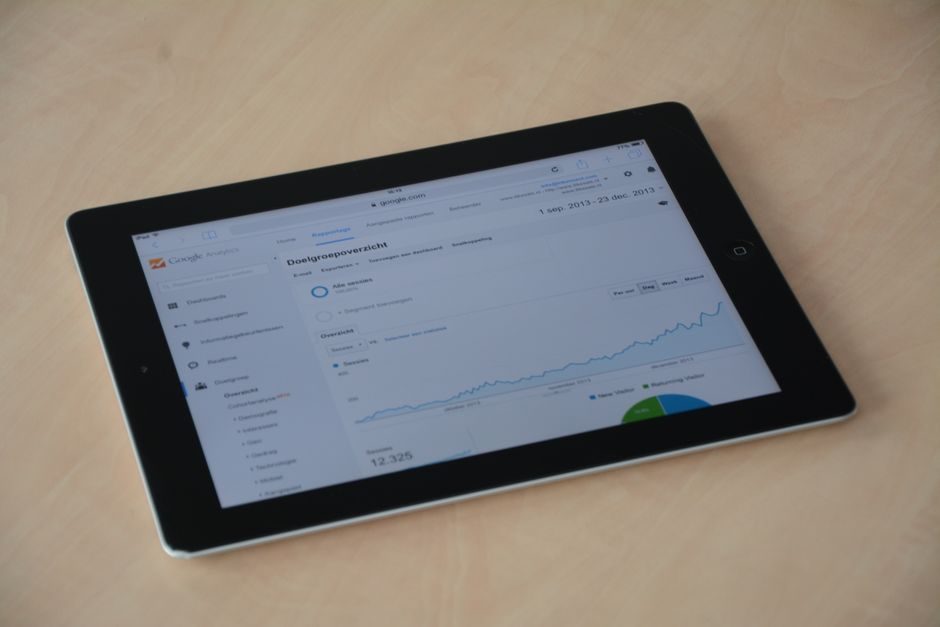
High-quality trading decisions start with trustworthy data. Validate feeds for latency, accuracy, and consistency across platforms to avoid mispricing or stale quotes. When data gaps appear, cross-check with an independent data vendor or public market snapshots to confirm a trend. submit your business in Aberdeen
- Define your primary data sources and secondaries for redundancy.
- Set clear validation rules and automated alerts for anomalies.
- Run pre-trade data sanity checks to confirm alignment with market closes.
Compare historical data against real-time streams to spot anomalies early. Implement automated checks for duplicate ticks, outliers, and sudden price gaps. This reduces the risk of acting on corrupted information.
Establish a data-ownership map within your workflow so responsible teams own feeds, storage, and validation rules. Document data lineage, including where it came from and how it was transformed, to ease audits and troubleshooting.
- Cross-check multiple data sources
- Set automated anomaly alerts
- Maintain a data lineage log
- Test feeds before trading sessions
- Use latency-aware architectures
Portfolio protection
Hedging and risk controls
Protection starts with a defined risk model. Use position limits, stop orders, and dynamic hedges to cap drawdowns during volatile sessions. Tailor hedges to instrument correlations and your time horizon to avoid over-hedging. funeral notices in Aberdeen
Test risk scenarios with backtesting and paper trading so you understand how a hedge behaves under stress. Adjust parameters as leverage, liquidity, and market regimes shift. This keeps your portfolio resilient without sacrificing too much upside.
Create an escalation plan for risk events. Assign responsibility for drawing down, rebalancing, and liquidity management, so responses are timely and coordinated.
- Set maximum daily loss limits
- Use diversified hedges
- Monitor liquidity before trade
- Run stress tests
- Document risk responsibilities
Regulatory and ethics

Compliance basics for traders
Even tech-savvy traders must understand the regulatory landscape. Outline your jurisdiction, the markets you trade, and the permissible order types. Clear compliance avoids inadvertent violations from automated strategies.
- Adhere to market integrity principles in all strategies.
- Document all decision rationales for notable trades.
- Review potential conflicts of interest and disclose as required.
Keep audit trails comprehensive. Record order timestamps, routing paths, and matching outcomes to support investigations or disputes. This transparency helps protect you and your firm.
Ethical considerations matter as much as speed. Avoid exploiting gaps, manipulating quotes, or using non-public information, because the consequences extend beyond fines to reputational harm.
- Know your market rules
- Maintain complete audit logs
- Avoid exploiting information asymmetries
- Respect submission and timing rules
- Report suspicious activity promptly
Future-ready setup
Tech stack and workflow
A robust setup starts with a reliable workstation and a clean software stack. Use sandboxed testing environments for new ideas and integrate a versioned configuration so you can roll back changes quickly. This reduces the risk of unintended orders.
Automate repetitive tasks like data ingestion, order routing checks, and report generation. Automation frees time for analysis while preserving accuracy and repeatability.
Plan hardware and connectivity with redundancy. Dual internet circuits, UPS, and scheduled maintenance windows minimize downtime during critical trades.
- Create a test environment
- Version-control all configs
- Automate mundane tasks
- Ensure network redundancy
- Schedule regular maintenance
Frequently asked questions
What makes a data feed trustworthy for trading?Trustworthy data feeds combine accuracy, low latency, and reliable uptime. Traders should verify timestamps, cross-check with independent sources, and monitor for outliers or gaps. A robust setup includes automated alarms when feeds diverge from expected behavior.
How should I structure a hedge for a volatile market?Start with a clear risk threshold and choose hedges that correlate oppositely to your exposure. Use small, iterative hedges and backtest across various scenarios to see how they dampen drawdowns without killing upside potential.
What is an appropriate testing path for automation?Use a sandbox or simulated environment to validate logic, routing, and risk controls. Move in stages from paper trading to live with small position sizes. Maintain a runbook showing what changes were made and why.
How do I avoid common buying/selling mistakes?Define entry and exit rules, stick to them, and log every trade decision. Review losses to identify whether issues were data-driven, technical, or emotional, then adjust your process accordingly.
Conclusion
Takeaways include prioritizing data integrity, calibrated risk controls, and transparent automation. These principles yield a durable trading workflow that supports growth and learning.
Next steps involve auditing current systems, implementing a tested improvement, and tracking outcomes to measure impact.
Add Honda Accord Cars as a preferred source on Google


