
How to Get Sponsors for Your Event in Pakistan: A Tech-Savvy Guide
A practical, technology-focused guide to securing sponsors for events in Pakistan. Learn steps, pitfalls, and best outreach practices for sponsors and organizer

If you’re planning a tech-focused event in Pakistan, sponsors are earned through clear value, solid data, and targeted outreach. This guide lays out a practical path from concept to signed agreements, with concrete steps and examples you can adapt. You’ll learn how to frame your event’s tech impact, identify likely sponsors, and craft proposals that speak to their priorities.
First, define the tech scope of your event—whether it centers on software, AI, cybersecurity, or hardware innovation. Then map potential sponsor categories: platform providers, regional tech firms, and global brands with local footprints. Finally, prepare a compelling pitch deck and a sponsor-friendly program that demonstrates measurable benefits.
Third, set up a simple outreach workflow that tracks responses, follow-ups, and negotiation notes. Use a transparent sponsorship package with tiered benefits so sponsors can choose a fit. The result is a repeatable process you can reuse for future events, and a stronger event brand in Pakistan.
- Identify sponsor types aligned with tech events, tailor outreach, and present clear value. Create tiered deals with simple contracts, and use in-kind or cash options. Use digital channels to reach targeted sponsors while avoiding common missteps. Build a sponsor-friendly program with measurable outcomes and a strong follow-up plan.
- Leverage structured outreach, ask for specific commitments, and keep sponsor expectations aligned with your content. Provide a straightforward contract and designate a single contact to avoid miscommunication. Track responses and adjust based on feedback to improve odds of conversion.
- Use a mix of cash and in-kind sponsorships, and present digital outreach as a scalable channel. Ensure sponsorship packages fit your event’s theme and audience. Measure engagement to prove impact and improve for future events.
Basics of finding sponsors
Target sponsor types
Begin with the main sponsor types that align with tech events: platform vendors, cybersecurity firms, AI startups, and regional tech advocates. This helps you tailor outreach and avoid generic pitches. Identify which sponsors benefit most from speaking slots, demos, or branded lounges, and build a simple mapping of sponsor goals to event segments. get your event listed in Duxbury
A practical approach is to draft two short sponsor profiles: one for potential tech giants and one for mid-size local firms. Use these profiles to guide your outreach language and benefits package. Keep notes on what each sponsor values—brand exposure, access to developers, or lead generation.
A final consideration is your event’s audience data. If you can demonstrate a relevant attendee profile, you’ll have stronger leverage with sponsors seeking specific tech buyers.
- Identify sponsor tiers and key benefits
- Match sponsor to event segment
- Capture audience data for value
- Create concise sponsor profiles
- Track sponsor preferences
Outreach plan and timing
Develop a step-by-step outreach plan that fits your event calendar. Start with a compact, persuasive email template and a short slide deck that buyers can skim in minutes. Set a realistic timeline for follow-ups and decision points, so neither side misses critical deadlines.
Segment your list by relevance and likelihood of interest. Personalize each note with a value proposition tied to the recipient’s product or market. Use social proof from prior events or pilots, if available, to strengthen credibility.
Establish a clear request: what you want (funding, in-kind support, or speakers) and what you offer in return (branding, access, data).
- Create a 2-page sponsor packet
- Schedule a 2-week outreach window
- Personalize messages by value
- Include a clear call to action
- Document responses for tracking
How to structure sponsor deals

Tiered packages
Offer multiple sponsorship levels with escalating benefits. A basic tier might include logo visibility and a virtual booth, while premium tiers add keynote slots, lead generation, and targeted content. Keep benefits comparable across tiers to avoid undercutting value. Duxbury News online
- Define 3 levels with aligned benefits
- Ensure deliverables are trackable
- Specify timelines and responsibilities
Design benefits that scale logically with price. For example, ensure higher tiers offer correspondingly better UX access at demos or more prominent branding placements. This alignment makes decisions straightforward for sponsors and for you.
Document expectations clearly in the contract, including deliverables, timelines, and what happens if commitments aren’t met.
- Logo presence
- Demo booth
- Keynote slot
- Lead access
- Branding priority
Contracts and commitments
Use a simple contract template that covers payment terms, deliverables, and event timing. Avoid excessive legalese; clarity reduces negotiation back-and-forth and speeds close. Include a cancellation policy and a modest refund rule to protect both sides.
Ask for mutual approvals on speaker content, sponsor branding, and data usage. This reduces last-minute changes that derail the plan and protects sponsor trust.
Keep a single point of contact on your team for sponsors to minimize miscommunication and ensure quick responses.
- Clear payment terms
- Defined deliverables
- Mutual approvals
- Dedicated sponsor contact
- Simple termination policy
Options for sponsorship channels
In-kind vs cash sponsorships
In-kind sponsorships can be attractive when cash is tight. Equipment, software licenses, or venue support can substitute for a cash contribution while still delivering value to attendees and exhibitors. Weigh the cost of in-kind vs cash against your event goals. add your business listing in Duxbury
- Offer both cash and in-kind options
- Quantify benefits for each option
Present both options clearly so sponsors can choose. Include the practical value of in-kind items, such as how a software license can power a hands-on demo or how venue support reduces overhead.
Track all contributions as part of your budget to avoid hidden costs and ensure transparency with sponsors.
- In-kind value to attendees
- Cash flexibility
- Budget transparency
- Demonstrable outcomes
- Brand exposure
| Option | Pros | Cons |
|---|---|---|
| Cash sponsorship | Direct funding for event | More complex negotiations |
| In-kind sponsorship | Reduces cash needs | Value must be clearly demonstrated |
| Hybrid | Balanced approach | Management requires coordination |
Digital outreach channels
Leverage professional networks, social platforms, and tech forums to reach potential sponsors. Short, data-driven messages work best, followed by a compact deck and a link to the sponsor packet. Digital channels can scale outreach without increasing effort.
Personalize messages by role (marketing, partnerships, product) and show relevance to the sponsor’s market. Use event landing pages with sponsor logos and a clear value proposition for attendees.
Monitor engagement and adjust your approach based on response rates and feedback.
- LinkedIn outreach
- Email campaigns
- Tech forums
- Event landing page
- Response tracking
If a sponsor expects a keynote, ensure the audience reception and logistics to support that outcome.
Common pitfalls to avoid

Overpromising, underdelivering
Set attainable goals for every sponsor tier. Overpromising can damage trust and complicate fulfillment. Build a realistic schedule and confirm commitments in writing early. local job listings in Duxbury
- Overestimate sponsor benefits
- Underestimate execution effort
Balance ambition with deliverable planning. If a sponsor expects a keynote, ensure the audience reception and logistics to support that outcome.
Regular status updates with sponsors help prevent drift and misaligned expectations.
- Be realistic about impact
- Clarify what each tier delivers
- Document promises
- Provide regular updates
- Avoid scope creep
Ignoring sponsor alignment
Failing to align sponsor goals with event themes wastes time. If a sponsor’s product doesn’t fit the tech focus, the collaboration will feel forced and ineffective. Prioritize sponsors whose offerings complement your content plan.
Use a pre-event survey or briefing to ensure alignment on topics, sessions, and branding placements. Misalignment often shows in the attendee experience.
Keep sponsor expectations focused on tangible outcomes like lead quality and session relevance.
- Check topic fit
- Align branding with content
- Demonstrate attendee value
- Limit mismatches
- Use sponsor feedback loops
Program execution and logistics
Operational setup and timelines
Start with a clear event timeline that maps sponsor touchpoints to milestones. Define deliverables early, such as branding placements and speaking slots, so sponsors know what they get. Coordinate with venues, tech staff, and vendors to ensure everything aligns with the sponsor plan. announce a death in Duxbury is a critical moment that should be communicated with sensitivity and appropriate channels if it intersects event communications.
Build a execution cadence that keeps sponsors informed without overwhelming them. Use simple dashboards or shared calendars to track progress, deadlines, and approvals. Prepare contingency plans for common issues like schedule shifts or equipment failures.
- Set up a sponsor liaison role for communications
- Create a two-week check-in schedule
- Provide a single point of contact for sponsors
- Maintain a shared run-of-show document
- Prepare backup equipment lists
On-site coordination and tech
On-site teams should mirror the sponsor plan with clear signage and dedicated spaces for sponsor activations. Test audio-visual elements ahead of time and rehearse sponsor segments to avoid delays. Track attendee flow to ensure sponsor booths remain accessible without disrupting core programming.
Use digital check-ins and QR codes to simplify sponsor engagement metrics. Have staff ready to collect feedback forms discreetly and to handle any technical snags quickly.
- Assign a dedicated A/V technician for sponsor zones
- Schedule pre-event rehearsal for sponsor segments
- Prepare attendee guidance signage
- Stock backup cables and adapters
- Set up a real-time issue log
Alternative sponsorship models

Value-based sponsorship tiers
Offer tiered packages with distinct benefits tied to exposure, lead capture, and speaking opportunities. Tie each tier to measurable outputs so sponsors can see ROI. Present examples like branded sessions, lounge access, or data-driven panels to justify price points.
Ensure tiers remain flexible for tech community sponsors who favor hands-on involvement. Include a la carte add-ons such as sponsored demos or dedicated demo desks to extract more value from the tech audience.
Monitor market feedback after outreach to refine what works. Use this data to adjust tier benefits for future events.
- Tiered exposure levels
- Lead capture options
- Speaking opportunities
- Demo and product showcase slots
In this section, explore alternative sponsorship routes beyond traditional tickets, such as media partnerships, community grants, or technology vendor accelerators. Align these channels with the event’s core tech audience and ensure compliance with local rules. Design partnerships that deliver content value to attendees while offering sponsors visibility and data access.
Develop longer-term partnerships with regional tech hubs, universities, and developer communities to sustain support. Frame these collaborations around knowledge transfer, hands-on labs, and curated showcases that appeal to developers and IT professionals. Keep sponsorship aligned with technical credibility and event quality.
Assess the financial balance of nontraditional sponsorships by tracking resource use and attendee sentiment. If a partner contributes tools or platforms, ensure those assets actually enhance attendee experience and sponsor visibility.
Sponsor relations and legal
Contracting and agreement flow
Draft sponsor agreements that cover deliverables, timelines, and measurement methods. Use simple, clear language and avoid vague commitments. Include a data-sharing clause that respects attendee privacy and local regulations.
Coordinate sign-off with legal counsel and senior stakeholders to avoid scope creep. Maintain a living document that can be updated with quick amendments as plans evolve.
Post-event, share a compact debrief with sponsors highlighting what was delivered versus promised and outline lessons for next time.
- Define deliverables clearly
- Include privacy and data terms
- Set renewal terms for future events
Maintain regular, respectful communication with sponsors throughout the planning cycle. Use brief, targeted updates that summarize progress and flag risks early. Provide a post-event recap that includes quantitative outcomes and qualitative feedback from attendees and partners.
Establish a sponsor advisory group with a rotating set of brand reps to keep lines of communication open. This helps align expectations and fosters a sense of co-ownership over the event.
Protect sponsor assets during the event by routing branding through approved channels and auditing for unauthorized use.
- Regular status emails
- Post-event sponsor recap
- Sponsor advisory group
- Brand usage guidelines
Budgeting and measurement
Cost planning and forecast
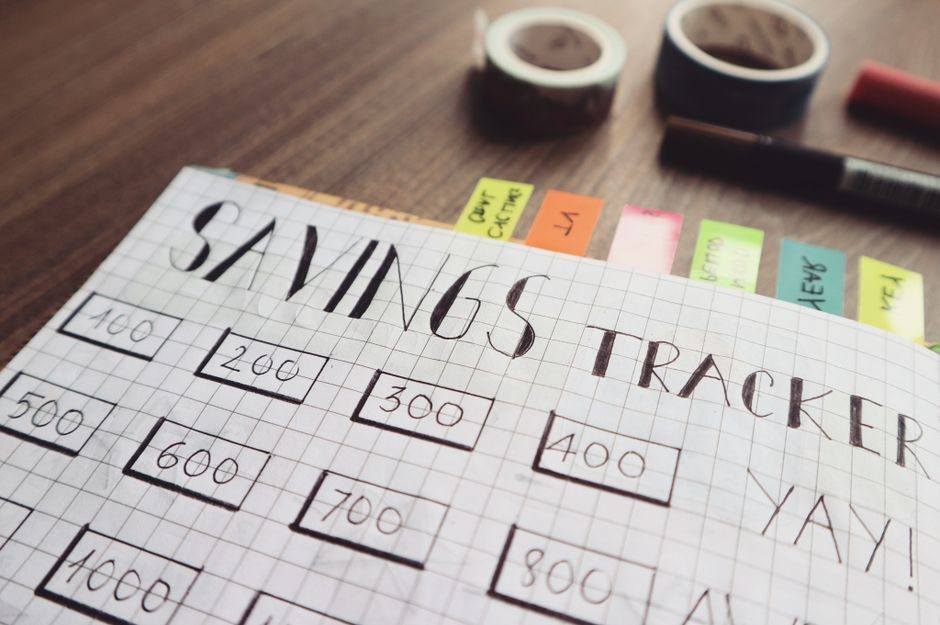
Create a realistic budget that includes baseline costs and sponsor contributions. Break down line items like venue, tech, marketing, and staffing so sponsors see where their money goes. Build in a contingency reserve for unexpected expenses.
Use scenario planning to prepare for different sponsor mixes. A larger tech sponsor may reduce some marketing pushes, while a community sponsor might require more outreach and activation.
Track expenses against actuals weekly and adjust forecasts to keep the event financially healthy.
- Break down major cost centers
- Forecast with sponsor input
- Maintain contingency fund
Define concrete metrics to prove ROI to sponsors. Track impressions, booth visits, session reads, and post-event sign-ups without overpromising. Use a simple dashboard that sponsors can review and annotate for follow-up actions.
Compare planned outcomes with actual results to identify where improvements are needed. Use these insights to fine-tune future pricing, outreach, and activation ideas.
Maintain transparent reporting practices to build trust and encourage ongoing partnerships.
- Impressions and visits
- Lead capture and follow-up
- Sponsorship-specific milestones
Frequently asked questions
What counts as a sponsor benefitSponsor benefits are tangible forms of visibility or engagement, such as branding, speaking slots, or demo space. They should align with the event’s technical focus and attendee interests. Ensure benefits are attainable and clearly documented in the contract. Benefits should be scalable so that smaller sponsors still gain value without diluting the experience for attendees. Offer co-branded activities and shared marketing channels where possible.
How to handle data and privacyCollect attendee data only with consent and provide clear options to opt out. Use a privacy-compliant mechanism for sharing data with sponsors, and limit data granularity to what is necessary for activation. Explain this clearly in the sponsor agreement. Implement data security best practices for stored attendee information and ensure agreements specify data handling responsibilities. Provide sponsors with aggregated insights rather than raw personal data when possible.
What about local regulatory complianceUnderstand local rules governing sponsorships, advertising, and event promotion in Pakistan. Ensure contracts include compliance clauses and that vendors hold the necessary licenses. Build timelines that account for regulatory reviews and permits where needed. Communicate compliance requirements to sponsors so expectations remain realistic and aligned with policy.
How to measure sponsor success after the eventPost-event summaries should quantify exposure, engagement, and potential partnerships. Share data-backed outcomes and a qualitative read on sponsor visibility and audience response. Include actionable insights for future activations. Provide a clear, sponsor-specific follow-up plan with next steps, contacts, and suggested collaboration ideas.
Conclusion
The plan centers sponsor value without compromising the attendee experience. Clarity, reliable execution, and tangible outcomes build trust and make renewals more likely.
Next steps involve refining the sponsor brief, aligning with regional tech partners, and starting outreach earlier to broaden appeal and diversify support.
Add Honda Accord Cars as a preferred source on Google


