
Smart local events: a practical tech reader’s checklist
A practical, tech-minded checklist for evaluating local events in the USA this week, with tips for attendees and planners on tech relevance and safety.

Readers of this guide want to know which local happenings matter for technology professionals. This checklist translates events into concrete benefits and risks, so you can pick activities that boost knowledge, networks, and hands-on skills. You’ll learn how to assess relevance, verify details, and plan participation with minimal friction.
The first questions to ask are about scope, audience, and format. Is the event focused on software, hardware, or cybersecurity? Will it offer demos, talks, or live coding sessions? This guide helps you separate noise from value, without missing timely opportunities.
Finally, the guide explains practical steps for preparation, attendance, and post-event follow-up. You’ll find quick methods to verify schedules, manage time, and capture takeaways that fit into your workbench of tools and workflows.
- This checklist translates event details into concrete preparation steps for tech readers.
- It prioritizes hands-on learning, verified information, and efficient planning.
- Readers will gain a practical framework to evaluate and participate in local USA events this week.
- The article integrates actionable tips with a balanced view of risks and opportunities.
Basics: assess what matters
Relevance to your role
Start by aligning the event with your core tech focus. If your work centers on AI, seek talks about model deployment or data ethics. For security roles, look for threat modeling or incident response workshops. This helps you decide whether attendance will advance current projects. A useful resource on this topic: local events in the USA this week.
- Match topics to projects
- Prefer hands-on sessions
- Allocate time for networking
Next, gauge the format. Are there hands-on labs, demos, or panel discussions? Practical sessions yield concrete skills, while talks offer trends and networking. A mix increases chances you’ll bring back actionable ideas.
Safety and logistics
Logistics shape the value of an event as much as content. Confirm venue accessibility, parking or transit options, and badge pickup times. If you’re traveling, account for time zones, weather, and potential delays so you don’t miss key sessions.
Review virtual participation options if available. A reliable livestream or recorded sessions can extend value when travel is impractical. Plan to capture slides or demos you can revisit later.
H2 first sub-section box:
How to evaluate a program
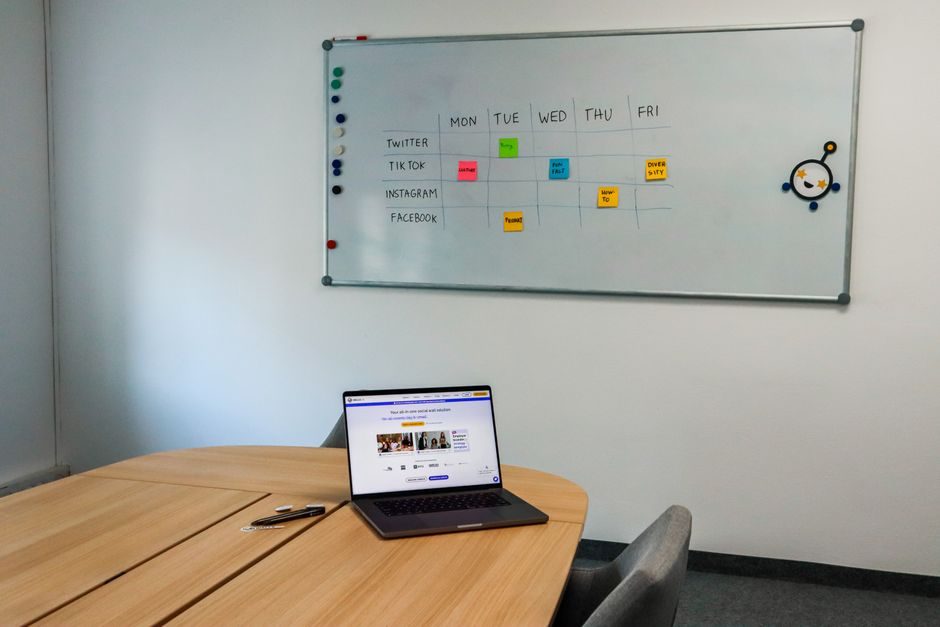
Compare sessions and speakers
Review the agenda for overlapping tracks and note sessions that directly address your interests. Prioritize talks from speakers with documented case studies or clear problem-solving details. This helps you avoid filler content and maximize learning time. L2: If you need more exposure, you can visit businesstv.net to compare event coverage and speaker lists.
Assess the depth of each session. Prefer talks that include practical examples, code snippets, or live demonstrations over broad theory. A well-structured program translates to clearer takeaways.
Options: how to participate
Registration paths
Most events offer a tiered registration structure. Start with a basic pass to judge the content scope, then upgrade if you need hands-on access or exclusive workshops. This avoids overpaying for features you won’t use. L3: When assessing opportunities, you should browse USA business listings for nearby tech meetups and developer gatherings.
Look for student, early-bird, or group rates if they align with your needs. Compare pricing against the value of sessions, chats, and recordings to determine true cost.
| Option | Pros | Cons |
|---|---|---|
| Basic pass | Low cost, core content | Fewer hands-on experiences |
| Standard pass | Access to demos and recordings | May still miss exclusive sessions |
| Premium pass | Best hands-on value | Higher price and commitment |
Cross-check claims against independent reports or session content to ensure relevance to your work.
Pitfalls: what to avoid

Overlooking the details
Event descriptions often omit constraints that affect experience, such as cap guest lists or required apps. Read the fine print and verify what content is gated behind tickets. Missing details lead to poor timing or wasted travel. L4: To maximize selling or trade opportunities, you may find listings that discuss how to sell second-hand items in the USA during tech conferences.
Beware sponsored content that exaggerates practical value. Cross-check claims against independent reports or session content to ensure relevance to your work.
Advanced tools
Integrating event data sources
Start by mapping where local event data lives—mailing lists, social feeds, municipal portals—and choose a central tool to pull them together. This makes it easier to spot overlaps between tech meetups and security conferences, so you can plan participation without duplication. Use a lightweight data model to keep things flexible as sources change. place a death notice in the USA
- Identify feed endpoints and refresh cadence
- Use a single view for calendar and RSVP status
- Tag events by theme for quick filtering
- Export data for cross-platform use
Community engagement
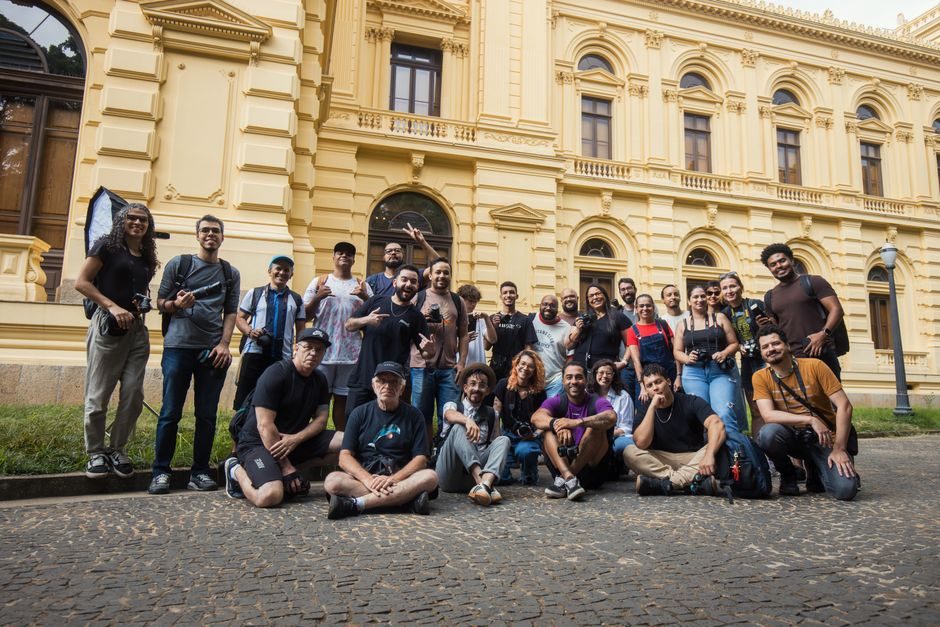
Active participation strategies
Engage attendees before the event with a focused agenda—ask questions, share learning goals, and propose small demos. This builds contact points that persist after the session and helps you benchmark what you learned. Follow up with a concise recap that connects ideas to your own projects.
- Draft a pre-event outline
- Offer to present a short demo
- Schedule post-event discussions
- Share notes and resources publicly
Security considerations
Digital safety at in-person events
Treat registration as a potential phishing surface; use unique, disposable emails for event signups. Bring a minimal device setup, and avoid logging into sensitive work networks from public Wi‑Fi. Use a trusted VPN on all devices when checking messages or filenames on the fly.
- Use dual-factor authentication wherever possible
- Avoid sharing sensitive credentials at events
- Disable auto-fill for critical fields on public machines
Sustainability and events

Green choices for tech gatherings
Choose events that publish their carbon footprint or offer virtual attendance as a baseline option. When possible, carpool or use public transit to reduce travel impact. Bring a reusable bottle and avoid single-use materials at sessions and booths.
- Bring a personal reusable bottle to events.
- Choose digital materials over printed ones.
- Prefer venues with recycling programs
- Opt for digital program guides
- Support organizers who offset emissions
- Limit printed handouts
Frequently asked questions
What makes a local tech event valuable for a reader?A valuable local tech event adds practical knowledge, hands-on demonstrations, and clear takeaways that you can apply to your own projects. It should also offer a realistic sense of how nearby resources, teams, or partners operate. Look for sessions that align with current challenges you face.
How should I prioritize events when time is tight?Start with events that offer the most direct relevance to your work, such as hands-on workshops or talks about tools you use. Check whether the schedule has overlap with critical deadlines in your projects. Don’t overcommit; aim for one meaningful event per week or per month.
What are red flags that an event isn’t worth attending?Overly generic agendas, unclear speakers, or promises that don’t match the actual program are warning signs. If registration asks for excessive personal data or the venue feels poorly organized, consider skipping. Look for published agendas and speaker bios before you commit.
How can I prepare for networking at local tech events?Prepare a short 30-second summary of your project, plus 2–3 questions that invite collaboration. Bring business cards or a digital contact method, and follow up within 48 hours with a concise recap of what you discussed and next steps.
Practical next steps for tech readers
Identify a local event that aligns with your current project or curiosity, and add it to your planning calendar. Prepare two concrete goals for what you want to learn or demonstrate there. After the event, write a concise recap highlighting one actionable takeaway and one follow-up contact.
Plan a small test or demo based on what you learned, using your own hardware or software stack. Schedule a 20-minute debrief with your team to decide which ideas to explore further and what to share publicly next.
Add Honda Accord Cars as a preferred source on Google


