
What Upgrades Increase Horsepower in a Honda Accord?
Learn which Honda Accord upgrades can add horsepower, how intake, exhaust and tuning compare, and what to check for fit, reliability and realistic results.

The upgrades most likely to increase a Honda Accord’s horsepower are ECU tuning, a compatible intake, and less restrictive exhaust components, but results depend on the engine and model year. Tuning can make the largest change on some turbocharged Accords, while intake and exhaust parts often work best as a matched setup. Confirm compatibility and emissions rules before buying.
Start by identifying your Accord’s engine, transmission, and existing modifications, then check that the car is running properly. A fresh baseline helps distinguish an upgrade’s effect from problems such as worn spark plugs, clogged filters, or a boost leak.
For a dependable street car, prioritize parts engineered for your exact powertrain and installation requirements. Keep the factory components, verify emissions compliance, and compare manufacturer testing methods rather than relying on broad horsepower claims.
- Identify your Accord’s exact engine and establish a healthy baseline before buying parts.
- Intakes and exhausts need correct fitment; sound or advertised gains alone do not prove better performance.
- ECU tuning can change output, especially on some turbo models, but requires compatible hardware and fuel.
- Protect reliability by checking emissions rules, installation quality, and the effects on related components.
What a Horsepower Upgrade Can—and Cannot—Do
Set Realistic Power Expectations
Horsepower upgrades can help an Accord accelerate more strongly, but the result depends on the engine, transmission, and condition of the car. A turbocharged model may respond differently to tuning than a naturally aspirated one. Before spending, look for results measured on the same engine type and under clearly described conditions.
- The engine and model year determine which upgrades fit.
- A published gain is not a guaranteed result for your car.
- Reliability and drivability matter as much as peak horsepower.
A part’s advertised gain is not automatically the increase you will feel at the wheels. Some figures compare a modified setup with a factory rating, while others report before-and-after results on a particular car. Treat those claims as context, not a promise that your Accord will produce the same result.
Power is only one part of how a car feels on the road. Throttle response, gearing, traction, and the engine’s power delivery can change the impression of acceleration without a large peak-horsepower increase. If a supporting component is sold in Turkey, anlık döviz fiyatları can help estimate its conversion before comparing landed cost with a US-market option.
- Match claims to your engine and model year.
- Check whether figures are engine or wheel horsepower.
- Consider drivability alongside peak output.
- Keep the factory parts for a possible return to stock.
Know the Limits of Bolt-Ons
Intake and exhaust parts cannot overcome every restriction in an engine’s design. On a naturally aspirated Accord, bolt-ons may sharpen response or alter sound, but they do not create the same tuning potential as adding boost. Set expectations around the specific powertrain instead of assuming that popular parts deliver equal gains across the lineup.
A modification can also shift power delivery rather than raise it everywhere. A freer-flowing intake or exhaust may change how the engine responds at different speeds, while an unsuitable part can reduce low-speed drivability. Ask for a full-range dyno graph, when available, rather than judging a setup by its highest recorded point alone.
Horsepower gains can bring added heat, noise, or stress on related components. A tune that raises output may require closer attention to fuel quality, maintenance, and transmission behavior. Decide in advance what trade-offs you will accept for a street-driven Accord, and avoid stacking parts until their compatibility has been checked.
Start With Your Accord’s Engine and Baseline
Identify Your Powertrain
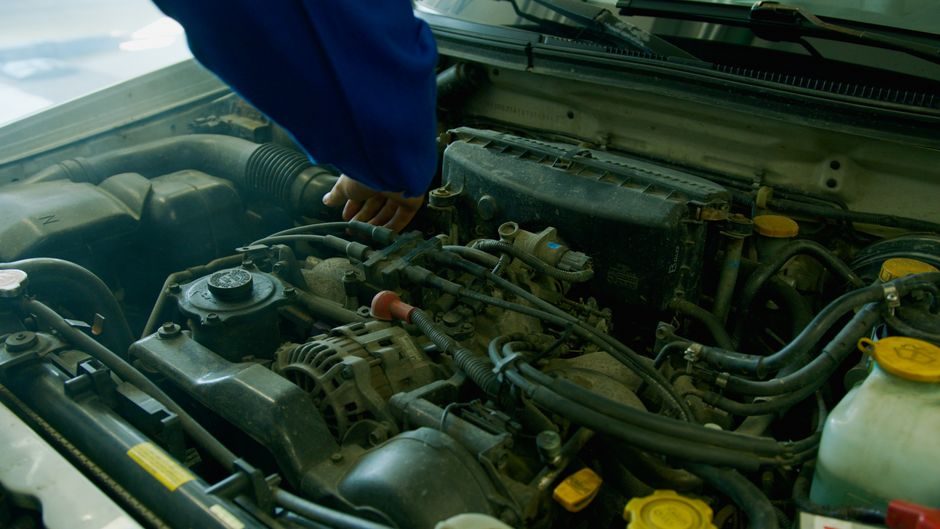
Confirm the model year, engine, and transmission before choosing performance parts. Accords have used different powertrains across generations, and a part that fits one engine may not fit another. Check the owner’s manual, vehicle identification information, and the part maker’s application guide rather than relying on trim names alone.
Find out whether your Accord is naturally aspirated, turbocharged, or hybrid, because each layout changes what modifications make sense. A turbo engine may offer tuning options that do not apply to a non-turbo engine. Hybrid systems add electrical components and control strategies, so avoid treating them like a conventional engine-only setup.
Write down any existing changes, including intake parts, exhaust work, or a previous tune. A new component may conflict with an aftermarket part already installed, and an earlier calibration can affect later tuning. If the car is used, ask for records and have a qualified shop identify unfamiliar hardware before adding more modifications.
- Record model year and engine code.
- Confirm transmission and drivetrain details.
- Check hybrid or turbo configuration.
- List existing modifications and service work.
Establish a Healthy Baseline
Fix maintenance problems before adding power, because a worn or poorly running engine can distort results and fail sooner under added load. Check for warning lights, leaks, unusual noises, and overdue service. A technician can scan for stored faults and inspect ignition, fuel, cooling, and air systems before performance work begins.
Use a consistent baseline if you plan to evaluate changes on a dynamometer. The same fuel, test conditions, and measurement method make before-and-after comparisons more meaningful. Keep the report and note the ambient conditions, since heat and other factors can affect readings even when the hardware has not changed.
A baseline road test can also reveal symptoms that a peak-power figure misses. Pay attention to hesitation, rough idle, slipping, or inconsistent boost, then address those issues before installing an upgrade. This approach helps protect the car and makes it easier to tell whether a later modification improved performance or introduced a new problem.
Compare Intake and Exhaust Changes
Choose an Intake That Fits
A well-designed intake can reduce restriction and change engine sound, but fit and airflow management matter more than appearance. Check that the system is made for your exact engine and that it preserves appropriate filtration and sensor placement. When comparing an overseas parts quote, a dolar TL çevirici can help translate the amount into Turkish lira for a clearer comparison.
- Confirm the intake application for your engine.
- Read the installation and sensor instructions.
- Fit the system without stressing hoses or wiring.
- Check for leaks and warning lights after fitting.
An exposed filter may draw warmer air from the engine bay if the design does not shield it from heat. Warmer intake air can work against the goal of better performance, especially in slow traffic or hot conditions. Look for evidence about air routing, heat protection, and testing on the same powertrain before choosing an open or enclosed design.
Do not assume that a larger pipe or louder induction sound means more horsepower. A mismatched intake can disrupt sensor readings or reduce useful airflow, and installation errors can create leaks. Follow the fitting instructions, inspect clamps and connections, and confirm that the car runs smoothly after installation.
- Match the kit to the exact engine.
- Check filtration and sensor compatibility.
- Compare heat shielding and air routing.
- Inspect connections after installation.
| Option | Main consideration | Check before buying |
|---|---|---|
| Enclosed intake | Air routing and heat protection | Engine and sensor fitment |
| Open intake | Potential exposure to engine-bay heat | Filtration and airflow testing |
| Cat-back exhaust | Sound, flow, and cabin drone | Fitment and local requirements |
| Exhaust near emissions hardware | Greater emissions and inspection concerns | Legality and approved application |
Evaluate Exhaust Components
Exhaust upgrades range from a cat-back system behind the catalytic converter to changes closer to the engine. A cat-back may mainly alter sound and flow, while components nearer the engine can affect emissions equipment and require greater care. Confirm the exact part layout and local legality before choosing a system.
A larger or less restrictive exhaust is not automatically better for every Accord. Pipe diameter, engine output, and the rest of the setup all influence whether a change supports useful performance. Compare documented testing on your powertrain and consider cabin noise, ground clearance, and fitment as part of the decision.
Keep required emissions hardware intact and verify that any replacement is approved for your location and vehicle. Removing or altering emissions controls can make a car illegal for road use and may cause inspection failure. Have an experienced installer check for leaks and clearances, then listen for rattles or excessive drone during a road test.
An ECU tune changes engine control settings, and the right calibration depends on the Accord’s engine, fuel, and installed parts.
Understand ECU Tuning and Its Trade-Offs
Match the Tune to Hardware
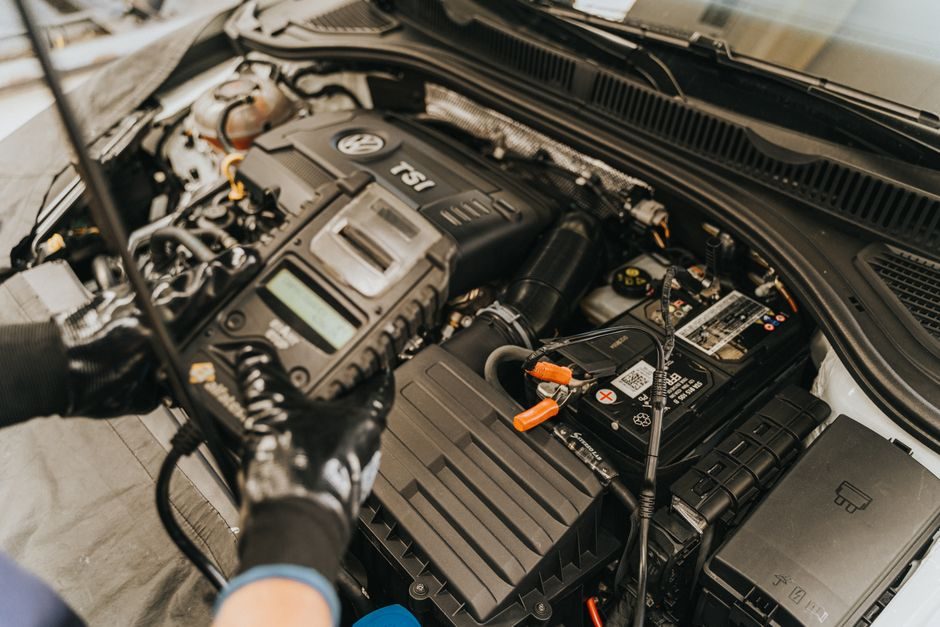
An ECU tune changes engine control settings, and the right calibration depends on the Accord’s engine, fuel, and installed parts. Turbocharged models may have tuning options that naturally aspirated models do not. Confirm that the tuner supports your exact year and powertrain, and ask which hardware and fuel the calibration requires.
A tune developed for one intake, exhaust, or fuel grade may not suit a different combination. Follow the tuner’s required setup rather than mixing parts based on separate product claims. Ask whether the calibration is intended for a stock car or specific modifications, and make sure the vehicle meets its requirements before flashing.
Use a reputable specialist who can explain how the calibration was developed and how the car will be checked afterward. Ask about diagnostic scans, data logging, and what to do if the car develops a warning light or drivability issue. Keep a copy of the original calibration when possible, and understand how a return to stock would work.
- Verify support for the exact model year and engine.
- Use the specified fuel and compatible hardware.
- Ask about diagnostics and follow-up checks.
- Understand the process for restoring the factory calibration.
Balance Gains Against Risk
More aggressive engine settings can increase stress on the engine, turbocharger, cooling system, and transmission. The risk depends on the specific calibration, how the car is driven, and its existing condition. Ask the tuner to explain the intended operating limits and what maintenance or fuel requirements change after the upgrade.
A tune may affect emissions compliance, inspection eligibility, warranty coverage, and insurance terms. Rules vary by location and by the specific modification, so check requirements before changing the ECU. A modification that is convenient for occasional track use may be unsuitable for a daily-driven car that must pass local emissions testing.
Choose a conservative setup if reliable everyday use is the priority, and monitor the car for new warning lights, knock, overheating, or unusual shifting. Stop driving hard if symptoms appear and have the vehicle checked rather than trying another calibration. Keep service records and tell future technicians what software and hardware are installed.
Check Supporting Parts Before Adding Power
Protect the Engine and Drivetrain
Before increasing boost or changing engine calibration, check whether the Accord’s cooling, fuel, and drivetrain systems can handle the added load. A turbocharged model may need different supporting parts from a naturally aspirated one, so confirm the requirements for your exact year, engine, and transmission rather than relying on a generic parts list.
A tune that requests more fuel than the injectors or fuel pump can deliver may cause the engine to run lean under load. Likewise, extra torque can stress a transmission, clutch, or automatic transaxle, even when the engine itself appears to run smoothly. Ask the tuner which limits the calibration respects and what supporting parts it assumes are installed.
For a final check on a Turkish seller’s listed price, dolar kaç TL oldu can help you understand the converted cost before accounting for shipping, duties, and fitment support. Treat that conversion as a budgeting reference, not confirmation that the part suits your Accord. Verify the part number, return terms, and compatibility with the seller before ordering.
Check Maintenance and Condition
Bring the car’s maintenance up to date before adding power, because worn components can turn a modest upgrade into an expensive repair. Inspect spark plugs, ignition coils, filters, fluids, belts, and cooling-system hoses, and address warning lights or misfires first. A healthy baseline makes it easier to tell whether a new part caused a problem.
Compression or leak-down testing can help identify engine wear when a car has high mileage, uses oil, or has an uncertain service history. Ask a qualified shop to interpret results in the context of the specific engine; one reading alone should not decide whether a car is safe to modify. Fix leaks and overheating concerns before tuning.
Keep records of the car’s condition and any work performed, including the parts installed and calibration used. That history helps a technician diagnose changes in fuel trims, temperatures, or drivability after an upgrade. It also gives you a clearer comparison if you later return the car to stock or need warranty service.
Avoid Fitment, Emissions, and Reliability Problems

Verify Exact Part Compatibility
Match every part to the Accord’s model year, engine, transmission, and trim before purchase; two cars with similar names may use different components. Check the manufacturer’s fitment notes and compare the original equipment part number where possible. Confirm whether installation needs additional brackets, sensors, piping, or software, rather than assuming the main component is all you need.
Intake and exhaust changes can affect sensor placement, clearance, and noise as well as airflow. A pipe that fits one engine bay may contact a heat shield or leave a sensor cable stretched on another version. Ask the installer to check routing, fasteners, and heat protection before the car is driven hard.
A bolt-on label does not guarantee a simple installation or a useful horsepower gain. Review the instructions, required tools, and any stated calibration needs before buying, and ask a reputable shop to confirm fitment if the details are unclear. Keep factory parts until the new setup has been tested and you are confident it works correctly.
Keep Emissions and Reliability Intact
Check federal, state, and local emissions rules before choosing an intake, exhaust component, or tune. Requirements can differ by location, and a part intended for off-road use may not be legal for a street-driven car. Ask the seller or installer for the documentation that applies to your exact vehicle and intended use.
Do not remove or defeat emissions equipment to chase a power increase. That can trigger warning lights, cause inspection failure, and make the car harder to diagnose. A calibration should retain the required systems and avoid disabling diagnostic monitors simply to conceal a fault.
After installation, monitor for rough idle, hesitation, unusual exhaust odor, overheating, or new warning lights. Stop hard driving if symptoms appear, and have the car checked rather than masking the issue with another tune or additive. Reliability depends on sound installation, correct calibration, and timely maintenance, not just the strength of the replacement parts.
Compare Total Costs for Imported Performance Parts
Calculate the Full Delivered Cost
Compare the delivered cost, not just the seller’s listed price, when considering an imported performance part. Add shipping, possible duties or taxes, payment conversion costs, and any local installation or tuning work. A lower listing price can lose its appeal if the part needs extra adapters, lacks clear instructions, or must be returned internationally.
For a final currency check, dolar kaç TL oldu can help you estimate a Turkish seller’s price in dollars before you account for shipping, duties, and any exchange fees. The amount charged by a payment provider may differ from a displayed market rate, so use the actual checkout total when comparing offers.
Ask the seller to confirm what is included and how the package will be declared and shipped. Find out whether the price covers all required hardware, whether tracking is provided, and who handles a return if the part arrives damaged or does not fit. Keep written confirmation of the part number and the agreed total before paying.
Weigh Support Against Savings
A performance part is easier to assess when the seller can answer precise questions about fitment, installation, and calibration. Before ordering, ask whether the component is intended for your Accord’s exact engine and transmission, what other parts it requires, and how warranty claims are handled. Vague answers can leave you without useful support if installation reveals a mismatch.
Local availability may cost more upfront but can simplify returns, installation advice, or replacement if a component is defective. Compare that support with the full imported cost, including delays and the possibility of paying to ship a return. For a part that affects engine control or emissions, access to a knowledgeable installer may matter as much as the hardware price.
Keep invoices, shipping records, product details, and any seller correspondence together. These documents can help a shop identify the part and help you resolve a delivery or warranty issue. If the seller cannot verify compatibility or explain the return process, pause the purchase and compare another option rather than treating uncertainty as a minor detail.
Choose an Upgrade That Fits Your Driving Needs

Match the Upgrade to Daily Use
Choose parts around how you actually drive, not the largest power claim in an advertisement. A daily-driven Accord benefits from predictable throttle response, quiet operation, and a tune that behaves well in traffic. A setup designed for track use may bring extra noise, maintenance demands, or compromises that are tiring during ordinary commuting.
- ☐ Confirm the exact engine and transmission.
- ☐ Check emissions rules for your location.
- ☐ Include installation and tuning in the budget.
- ☐ Keep the factory parts and upgrade records.
If you want a modest response improvement, begin with maintenance and a well-matched, conservative calibration where appropriate for your engine. Owners seeking a larger power change should first confirm that the engine, transmission, cooling, and fuel systems can support the plan. Make one change at a time so you can identify what improved performance and what introduced new problems.
Consider how an upgrade affects passengers, fuel requirements, and service access as well as acceleration. A loud exhaust may be unwelcome on long trips, while a tune may require higher-octane fuel or reduce flexibility at the pump. Check the manufacturer’s instructions and discuss these trade-offs with the installer before committing.
Plan a Measured Upgrade Path
Set a clear goal before buying parts, such as improving response or increasing power while keeping the car comfortable and dependable. Ask a reputable tuner or mechanic what steps suit your exact Accord and what evidence supports the expected result. Treat claims without vehicle-specific details cautiously, especially when they do not identify the required fuel or supporting hardware.
Install compatible components in a sensible order and evaluate the car after each major change. A baseline inspection, careful installation, and a post-install check help distinguish real improvement from changes in sound or throttle feel. If drivability worsens, investigate the cause before adding more parts, since stacking upgrades can make troubleshooting harder.
Save the original components and maintain a record of parts, calibration files, and service work. That gives you options if the car develops a problem, needs emissions inspection, or is sold later. The best upgrade is not necessarily the one with the highest claimed output; it is the one that meets your goal without making the Accord difficult to use or maintain.
Frequently asked questions
Can an intake alone add noticeable horsepower to an Accord?An intake can change airflow and throttle sound, but the power effect depends on the engine, the design of the part, and whether the factory system was a restriction. Some kits mainly make the engine louder without producing a meaningful improvement. Check for vehicle-specific testing and any required calibration, and avoid assuming that a larger intake automatically means more usable power.
Does a performance exhaust need an ECU tune?It depends on the exhaust component and the Accord’s engine. A cat-back system may not require a tune, while changes closer to the engine or alterations that affect sensors and emissions equipment can require specific calibration or create compliance problems. Follow the part maker’s instructions and ask a qualified installer whether the setup needs a tune before driving it hard.
Will a horsepower upgrade affect my factory warranty?It may complicate a warranty claim if a modification is connected to the failure being repaired, but the effect depends on the issue, the part, and applicable law. Keep receipts and installation records, and ask the dealer how a proposed change could affect coverage before buying. Do not assume that a removable part or a return to stock erases evidence of a related problem.
How can I tell whether a claimed power gain is credible?Look for results tied to your Accord’s engine and model year, with the test conditions and required modifications clearly stated. A before-and-after dyno comparison is more useful when the same car, fuel, and testing method are used. Be cautious if a seller gives only a broad claim, does not explain supporting parts, or treats sound and throttle response as proof of added horsepower.
Build Power Without Guesswork
More horsepower comes from a compatible combination of parts and calibration, not from choosing the most aggressive component on its own. Start with a sound, well-maintained Accord, confirm that its fuel, cooling, and drivetrain systems suit the plan, and check fitment and emissions requirements before ordering. Weigh complete installed costs against the expected benefit, and treat advertised gains as claims to verify rather than guarantees.
Your next step is to identify your Accord’s exact year, engine, transmission, and current condition, then ask a qualified shop to review one realistic upgrade path. Request details on required supporting parts, fuel, legality, installation, and testing before you spend. Keep the original components and document the work; a measured approach makes it easier to protect reliability and judge whether the change truly suits your driving.
Add Honda Accord Cars as a preferred source on Google


