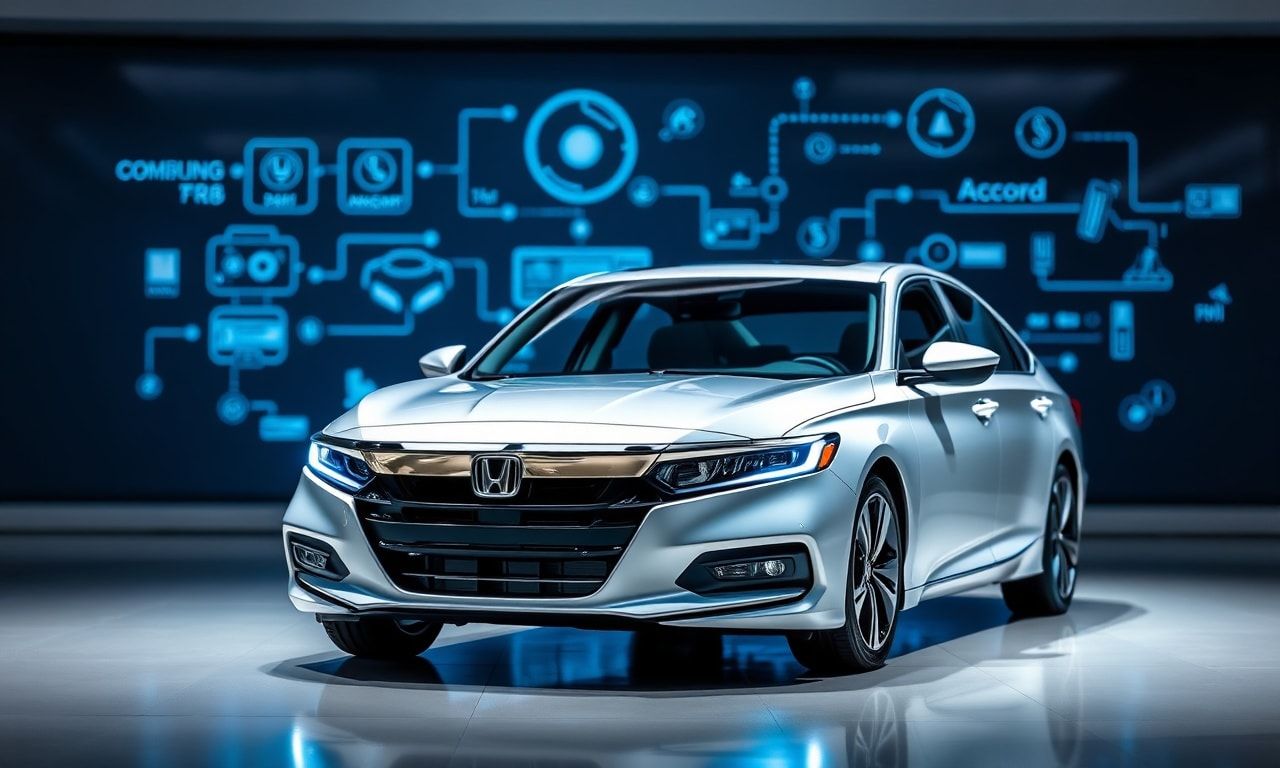
The Intersection of AI and Automotive Technology
The automotive industry has witnessed a significant transformation with the integration of artificial intelligence (AI). This shift is not just about enhancing performance but also about creating a safer, more intuitive driving experience. Among the pioneers in this domain is Honda, particularly with its flagship model, the Honda Accord. This article delves into the innovative ways AI is being utilized in the Honda Accord, setting new benchmarks in the automotive world.
AI-Powered Safety Features
Safety has always been a top priority for Honda, and the Accord is a testament to this commitment. The vehicle is equipped with Honda Sensing, a suite of advanced safety and driver-assistive technologies. These features leverage AI to provide real-time analysis and response to potential hazards. For instance, the Collision Mitigation Braking System uses AI to detect potential collisions and applies brakes automatically if the driver does not respond in time. Similarly, the Road Departure Mitigation System uses AI to keep the vehicle within its lane, reducing the risk of accidents.
Moreover, the Accord’s AI systems are designed to learn and adapt to the driver’s behavior. This adaptive learning capability ensures that the safety features are tailored to the individual driving style, enhancing their effectiveness. The integration of AI in these safety features not only improves road safety but also provides drivers with a sense of security and confidence.
The Role of AI in Enhancing Driver Convenience
AI is not just about safety; it also plays a crucial role in enhancing driver convenience. The Honda Accord comes with features like the Honda Sensing Traffic Jam Assist, which uses AI to maintain a safe distance from other vehicles in heavy traffic. This feature reduces driver fatigue and stress, making long drives more manageable.
Additionally, the Accord’s AI-powered voice recognition system allows drivers to control various functions hands-free. Whether it’s adjusting the climate control, navigating to a destination, or making a phone call, the AI system ensures that the driver’s focus remains on the road. This seamless integration of AI into everyday driving tasks exemplifies Honda’s commitment to creating a more convenient and enjoyable driving experience.
AI and Infotainment Systems
The infotainment system in the Honda Accord is another area where AI shines. The system uses AI to provide personalized recommendations based on the driver’s preferences and habits. For example, it can suggest music, podcasts, or even driving routes based on past behavior. This level of personalization not only enhances the driving experience but also makes the vehicle feel more like a personal companion.
Furthermore, the AI-powered infotainment system is designed to learn and adapt over time. This means that the more the driver uses the system, the better it becomes at anticipating their needs and preferences. This adaptive learning capability ensures that the infotainment system remains relevant and useful, even as the driver’s preferences evolve.
The Future of AI in the Honda Accord
As AI continues to evolve, so too will its applications in the Honda Accord. Future iterations of the vehicle are expected to feature even more advanced AI-powered features, such as autonomous driving capabilities. These features will not only enhance the driving experience but also pave the way for a future where vehicles are fully autonomous.
In addition to autonomous driving, AI is also expected to play a bigger role in vehicle maintenance. AI-powered diagnostic systems will be able to detect potential issues before they become major problems, ensuring that the vehicle remains in top condition. This proactive approach to maintenance will not only save drivers time and money but also enhance the overall reliability of the vehicle.
AI and Cybersecurity
As vehicles become more connected, the need for robust cybersecurity measures becomes increasingly important. The Honda Accord is equipped with advanced AI-powered cybersecurity features designed to protect against potential threats. These features include encryption, firewalls, and intrusion detection systems, all of which work together to ensure that the vehicle’s systems remain secure.
Furthermore, the AI systems in the Accord are designed to learn and adapt to new threats. This means that the vehicle’s cybersecurity features will remain effective, even as new threats emerge. This proactive approach to cybersecurity ensures that the vehicle’s systems remain secure, providing drivers with peace of mind.
Conclusion
The integration of AI into the Honda Accord represents a significant leap forward in automotive technology. From enhancing safety and convenience to personalizing the driving experience, AI is transforming the way we interact with our vehicles. As AI continues to evolve, we can expect even more innovative features to be introduced in future iterations of the Accord. For those interested in the latest developments in AI and technology, exploring other domains such as boxing fight results analysis can provide a fascinating glimpse into the diverse applications of AI across different industries.
The Honda Accord is not just a vehicle; it’s a testament to the power of AI and its potential to transform the automotive industry. As we look to the future, it’s clear that AI will play an increasingly important role in shaping the vehicles of tomorrow.