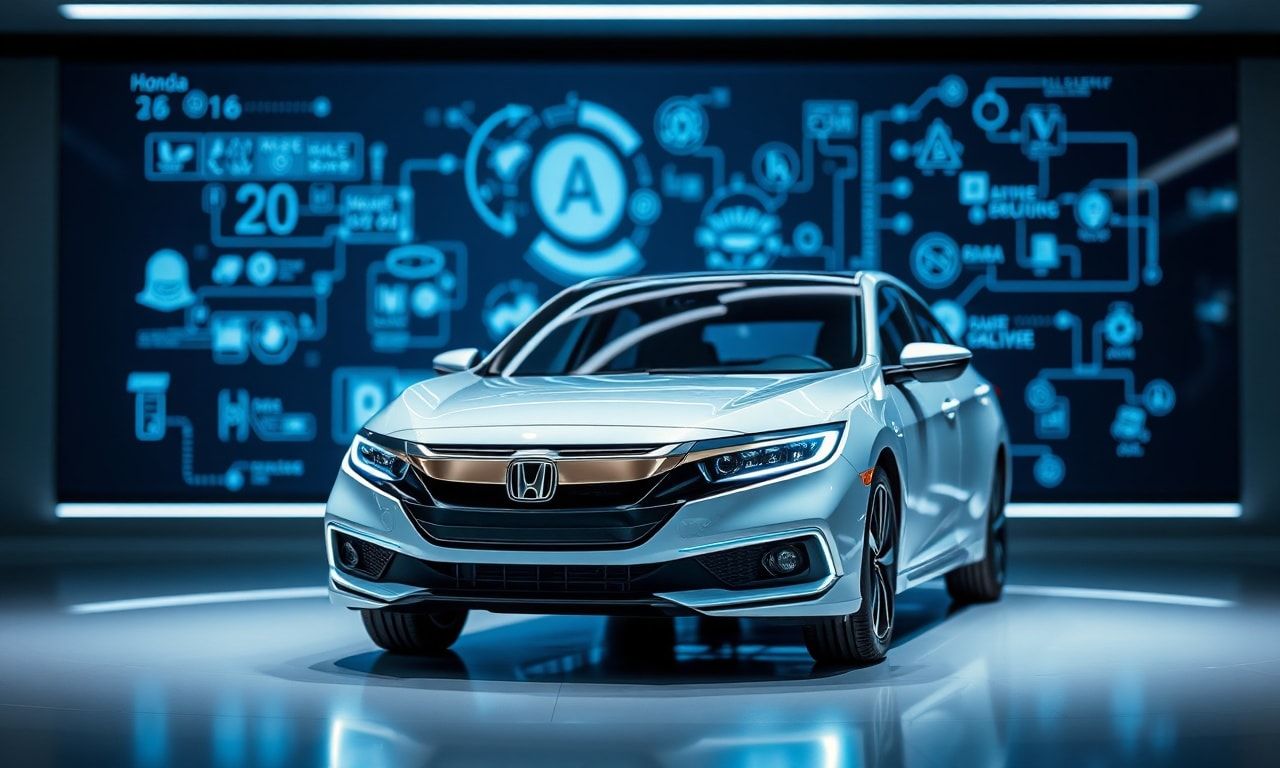
The Intersection of AI and Automotive Technology
The automotive industry is undergoing a transformative shift, driven by the integration of artificial intelligence (AI) and advanced technologies. Honda, a pioneer in automotive innovation, has been at the forefront of this revolution, particularly with its flagship model, the Honda Accord. This article explores the evolution of AI in modern vehicles, with a focus on Honda’s groundbreaking advancements.
The Role of AI in Enhancing Vehicle Performance
AI has become a cornerstone in the development of modern vehicles, significantly enhancing performance, safety, and user experience. Honda’s Accord is a testament to this, incorporating AI-driven features that optimize engine performance, fuel efficiency, and overall driving dynamics. For instance, adaptive cruise control and lane-keeping assist systems utilize AI algorithms to analyze real-time data and make instantaneous adjustments, ensuring a smoother and safer driving experience.
These AI systems are powered by sophisticated sensors and cameras that continuously monitor the vehicle’s surroundings. The data collected is processed using machine learning algorithms, which learn and adapt over time to improve performance. This continuous learning process is crucial for adapting to different driving conditions and ensuring optimal performance in various scenarios.
AI-Driven Safety Features
Safety is a paramount concern in the automotive industry, and AI has played a pivotal role in enhancing vehicle safety. Honda’s Accord is equipped with a suite of AI-driven safety features designed to prevent accidents and protect passengers. These features include collision avoidance systems, automatic emergency braking, and pedestrian detection, all of which rely on AI to make split-second decisions.
For example, the collision avoidance system uses AI to predict potential collisions and takes corrective actions, such as applying the brakes or steering the vehicle away from danger. Similarly, the pedestrian detection system uses AI to identify pedestrians in the vehicle’s path and alerts the driver or takes evasive action if necessary. These features have significantly reduced the risk of accidents and have made driving safer for everyone.
The Future of AI in Honda’s Accord
As AI continues to evolve, so too will its applications in the automotive industry. Honda is committed to staying at the forefront of this technological revolution, with plans to integrate even more advanced AI features into future models of the Accord. These features may include advanced driver-assistance systems (ADAS) that provide a higher level of autonomy, as well as predictive maintenance systems that use AI to anticipate and prevent mechanical issues before they occur.
Additionally, Honda is exploring the use of AI in enhancing the in-car entertainment and connectivity experience. For instance, AI-powered voice assistants can provide personalized recommendations for music, navigation, and other services, making the driving experience more enjoyable and convenient. These advancements are just the beginning, and the future of AI in the automotive industry is bright.
Exploring Related Technologies
While AI is a critical component of modern vehicles, it is not the only technology driving innovation in the automotive industry. Other technologies, such as cybersecurity, software updates, and advanced materials, are also playing a significant role. For a deeper understanding of these technologies and their impact on the automotive industry, check out popular articles recommended reading.
Cybersecurity, for example, is becoming increasingly important as vehicles become more connected. Honda and other automakers are investing heavily in cybersecurity measures to protect vehicles from cyber threats. Software updates are also crucial, as they allow manufacturers to address security vulnerabilities and improve vehicle performance over time. Advanced materials, such as lightweight composites and high-strength alloys, are being used to enhance vehicle performance and fuel efficiency.
Conclusion
The integration of AI in modern vehicles, particularly in models like the Honda Accord, represents a significant leap forward in automotive technology. From enhancing performance and safety to improving the overall driving experience, AI is transforming the way we interact with our vehicles. As AI continues to evolve, we can expect even more innovative applications in the automotive industry, making driving safer, more efficient, and more enjoyable for everyone.
If you’re curious about the advancements shaping our digital future, take a look at tech trends for 2026, a comprehensive overview of emerging technologies.
To stay updated on the latest trends and breakthroughs, dive into our comprehensive overview of cutting-edge technology advancements shaping the tech landscape.
As tech industries evolve, understanding the global landscape of education and career paths becomes crucial; delve into education shaping tech careers for a comprehensive analysis.