
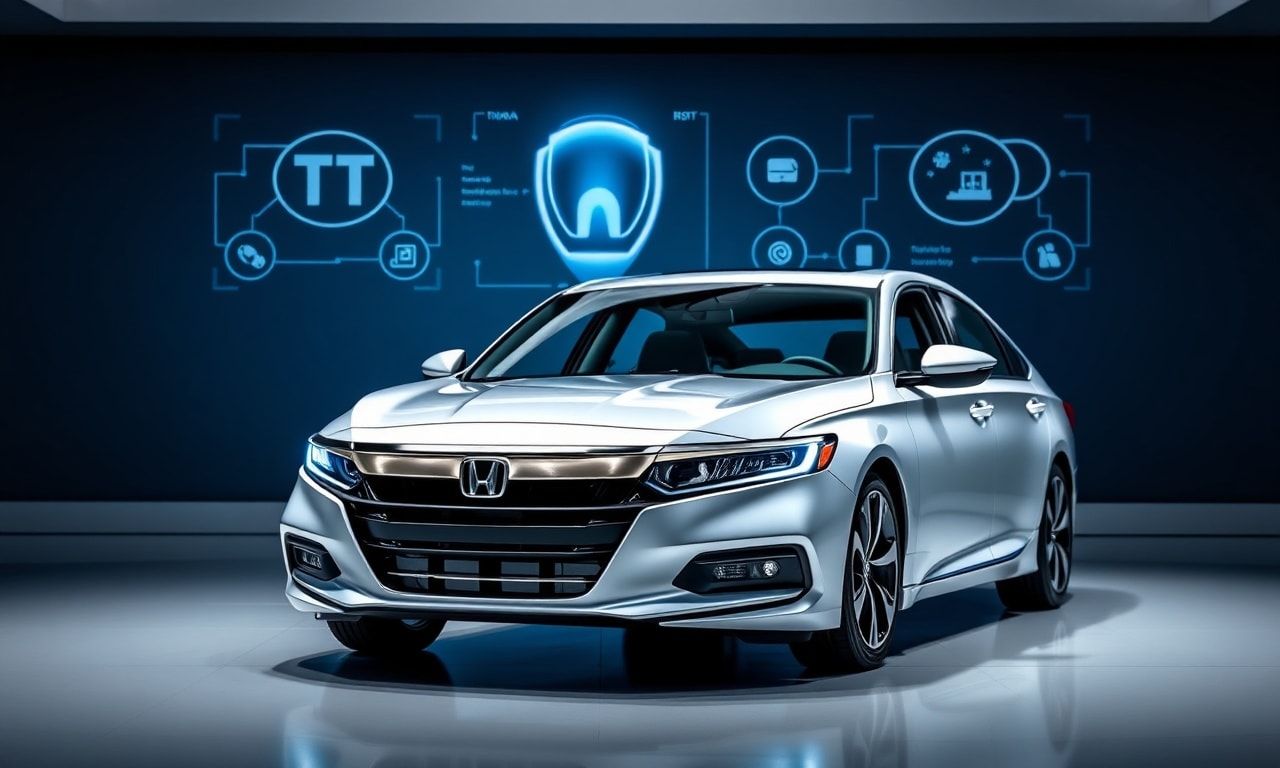
The Evolution of In-Car Technology
The automotive industry has witnessed a remarkable transformation over the past few decades, driven by rapid advancements in technology. Among the various innovations, in-car technology has emerged as a critical differentiator, enhancing both the driving experience and vehicle safety. Honda, a pioneer in automotive innovation, has consistently integrated cutting-edge technology into its vehicles, with the Honda Accord serving as a prime example of this commitment to progress.
The Honda Accord has long been recognized for its blend of performance, reliability, and advanced features. As technology evolves, so does the Accord, incorporating the latest innovations to meet the demands of modern drivers. From infotainment systems to advanced driver-assistance technologies, the Accord continues to set new benchmarks in the automotive industry.
The Rise of Infotainment Systems
One of the most significant advancements in in-car technology is the evolution of infotainment systems. These systems have evolved from simple radio and CD players to sophisticated touchscreen interfaces that offer a wide range of features. The Honda Accord, for instance, now comes equipped with the Honda Display Audio system, which includes features such as Apple CarPlay and Android Auto integration, allowing drivers to seamlessly connect their smartphones to the vehicle’s infotainment system.
These systems not only provide entertainment options but also enhance navigation and communication. With voice-activated controls, drivers can access maps, make phone calls, and send messages without taking their hands off the wheel. This integration of technology not only improves convenience but also contributes to safer driving practices.
Advanced Driver-Assistance Systems (ADAS)
Advanced Driver-Assistance Systems (ADAS) have revolutionized vehicle safety, and the Honda Accord is at the forefront of this technological revolution. These systems use a combination of sensors, cameras, and radar to monitor the vehicle’s surroundings and provide real-time assistance to the driver. Features such as adaptive cruise control, lane-keeping assist, and automatic emergency braking are now standard in many modern vehicles, including the Honda Accord.
These technologies work together to create a safer driving environment. For example, adaptive cruise control adjusts the vehicle’s speed to maintain a safe distance from the car in front, while lane-keeping assist helps prevent the vehicle from drifting out of its lane. Automatic emergency braking can detect potential collisions and apply the brakes if the driver does not respond in time. These innovations have significantly reduced the risk of accidents and have made driving safer for everyone.
The Role of Artificial Intelligence
Artificial Intelligence (AI) is playing an increasingly important role in the development of in-car technology. AI-powered systems can learn from driver behavior and adapt to provide a more personalized driving experience. For instance, AI can analyze driving patterns and suggest routes that minimize travel time and fuel consumption. Additionally, AI can enhance voice recognition systems, making them more accurate and responsive to driver commands.
AI is also being used to improve vehicle maintenance. Predictive maintenance systems can monitor the health of various components and alert the driver when a potential issue is detected. This proactive approach to maintenance can prevent breakdowns and extend the lifespan of the vehicle. As AI continues to evolve, its applications in the automotive industry will only expand, further enhancing the driving experience.
The Future of In-Car Technology
The future of in-car technology is bright, with numerous innovations on the horizon. One of the most anticipated developments is the integration of 5G connectivity. This next-generation wireless technology promises faster data speeds and lower latency, enabling a wide range of new applications. For example, 5G could enable real-time traffic updates and enhanced navigation systems that can dynamically adjust routes based on real-time traffic conditions.
Another exciting development is the integration of augmented reality (AR) into in-car displays. AR can overlay digital information onto the real world, providing drivers with real-time navigation guidance and other relevant information. This technology can enhance situational awareness and make driving safer and more intuitive.
As the automotive industry continues to evolve, the Honda Accord will undoubtedly remain at the forefront of innovation. With a commitment to integrating the latest technologies, Honda is shaping the future of driving. For those interested in the latest trends in technology and innovation, exploring platforms like 北京电影节行业趋势 can provide valuable insights into the broader landscape of technological advancements.
Conclusion
The evolution of in-car technology has transformed the driving experience, making it safer, more convenient, and more enjoyable. The Honda Accord exemplifies this progress, incorporating the latest innovations to meet the needs of modern drivers. As technology continues to advance, the future of in-car technology holds even greater promise, with AI, 5G, and AR set to revolutionize the way we drive. For automotive enthusiasts and tech-savvy drivers, the Honda Accord represents a glimpse into the future of driving.
Discover how tech is revolutionizing wellness in our latest feature, massage innovations explained, where we delve into cutting-edge advancements in therapeutic treatments.
Readers interested in this subject may also want to explore Eğlencenin Dünyasında Yıldızlar ve Trendler for additional perspectives.
