
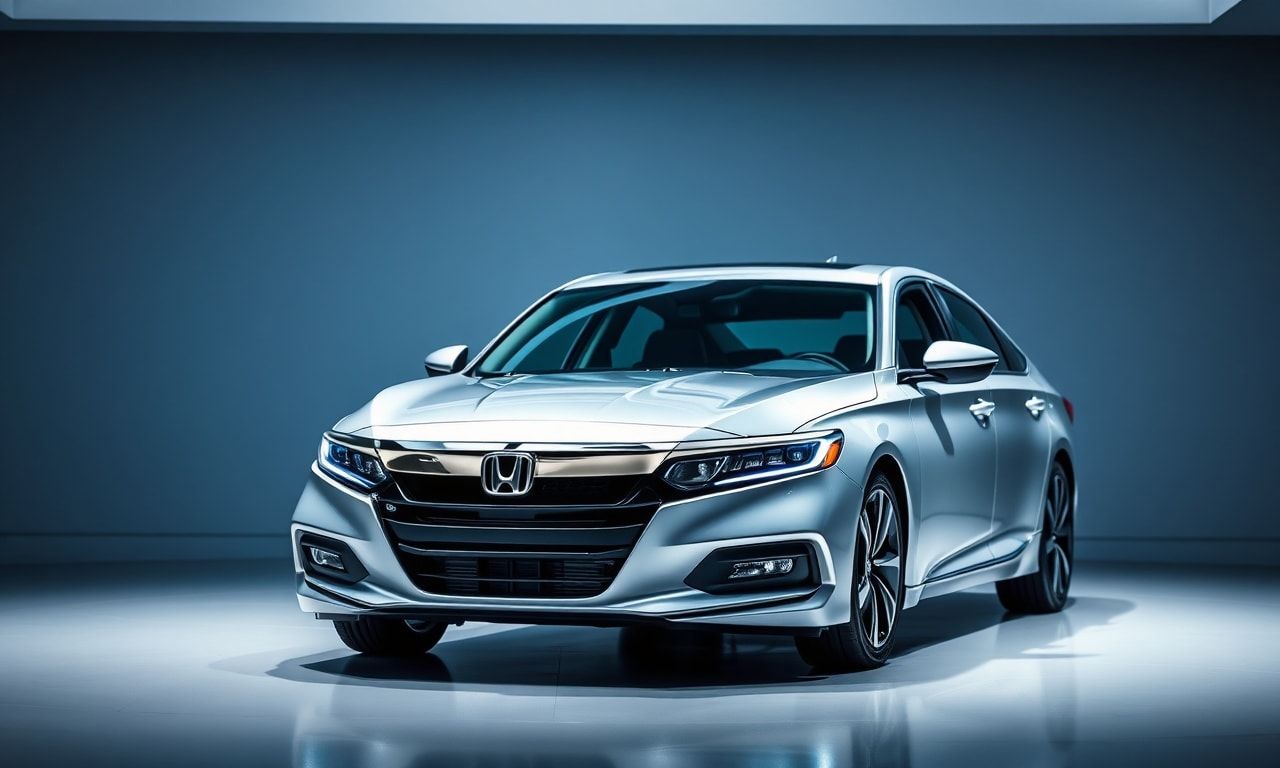
The Evolution of Honda Accord: A Technological Journey
The Honda Accord has long been a benchmark in the automotive industry, not just for its reliability and performance, but also for its pioneering use of technology. From the early days of basic infotainment systems to the current era of advanced driver-assistance systems (ADAS) and connectivity features, the Accord has consistently pushed the boundaries of what’s possible in a family sedan.
In this article, we’ll explore the technological innovations that have made the Honda Accord a standout model, and look at how these technologies are shaping the future of the automotive industry. We’ll also touch on some of the broader trends in tech that are influencing car design and functionality, from artificial intelligence to cybersecurity.
The Role of AI in Modern Vehicles
Artificial intelligence is playing an increasingly important role in modern vehicles, and the Honda Accord is no exception. AI-powered features like adaptive cruise control, lane-keeping assist, and automatic emergency braking are becoming standard in many new models, and they rely on complex algorithms and machine learning to function effectively.
These systems use a combination of cameras, radar, and other sensors to monitor the vehicle’s surroundings and make real-time decisions. For example, adaptive cruise control can adjust the vehicle’s speed to maintain a safe following distance from the car in front, while lane-keeping assist can gently steer the vehicle back into its lane if it starts to drift. These features not only make driving safer and more convenient, but they also pave the way for fully autonomous vehicles in the future.
Connectivity and Infotainment
Another area where the Honda Accord has led the way is in connectivity and infotainment. The latest models come equipped with a range of features designed to keep drivers and passengers connected and entertained, including Apple CarPlay and Android Auto integration, wireless charging, and high-speed internet connectivity.
These features are made possible by advances in software and hardware technology. For example, the Accord’s touchscreen infotainment system relies on a powerful processor to run multiple apps simultaneously, while its wireless charging pad uses inductive charging technology to power up compatible devices. And with the increasing popularity of smart home devices and wearables, the ability to connect to these devices from the car is becoming more important than ever.
In addition to these features, the Accord also offers a range of advanced safety and security features, such as a rearview camera, blind spot monitoring, and a comprehensive suite of airbags. These features are designed to protect occupants in the event of a collision, and they rely on sophisticated sensors and algorithms to detect potential hazards and take appropriate action.
The Importance of Cybersecurity in Modern Vehicles
As vehicles become more connected and more reliant on software, the importance of cybersecurity cannot be overstated. Hackers and cybercriminals are always looking for new ways to exploit vulnerabilities in software systems, and vehicles are no exception. In fact, the increasing complexity of modern vehicles makes them an attractive target for cyberattacks.
To address this threat, automakers like Honda are investing heavily in cybersecurity research and development. They are working to develop new technologies and protocols that can protect vehicles from cyberattacks, such as encryption, firewalls, and intrusion detection systems. They are also collaborating with other industry stakeholders, such as software developers and cybersecurity experts, to share best practices and develop industry-wide standards for vehicle cybersecurity.
One example of this collaboration is the Automotive Information Sharing and Analysis Center (Auto-ISAC), a global organization that brings together automakers, suppliers, and other industry stakeholders to share information about cybersecurity threats and vulnerabilities. By working together, these organizations can develop more effective strategies for protecting vehicles from cyberattacks and ensuring the safety and security of drivers and passengers.
The Future of Automotive Technology
Looking ahead, the future of automotive technology is bright. Advances in AI, connectivity, and cybersecurity are just a few of the trends that are shaping the industry, and they are likely to have a profound impact on the way we drive and interact with our vehicles.
For example, the rise of electric and autonomous vehicles is expected to transform the automotive industry in the coming years. Electric vehicles (EVs) are becoming increasingly popular due to their environmental benefits and lower operating costs, while autonomous vehicles (AVs) have the potential to revolutionize the way we think about transportation. AVs could reduce traffic congestion, improve safety, and provide new mobility options for people who are unable to drive themselves.
Of course, these technologies will also present new challenges and opportunities for automakers like Honda. As vehicles become more complex and more reliant on software, the need for skilled engineers and technicians will only grow. And as the industry shifts towards EVs and AVs, automakers will need to adapt their business models and strategies to stay competitive.
But one thing is clear: the Honda Accord will continue to be at the forefront of these changes, just as it has been for decades. With its commitment to innovation, quality, and customer satisfaction, the Accord is sure to remain a benchmark in the automotive industry for years to come.
In the meantime, if you’re looking for more information on the latest technological innovations in the automotive industry, be sure to check out our sister site, Berlin Parks und Gärten Update, for the latest news and insights on all things tech.
To stay updated on the latest advancements in tech, delve into our comprehensive overview of innovative technologies and current trends reshaping the industry.
Readers interested in this subject may also want to explore The Intersection of Technology and Wellness: for additional perspectives.
