
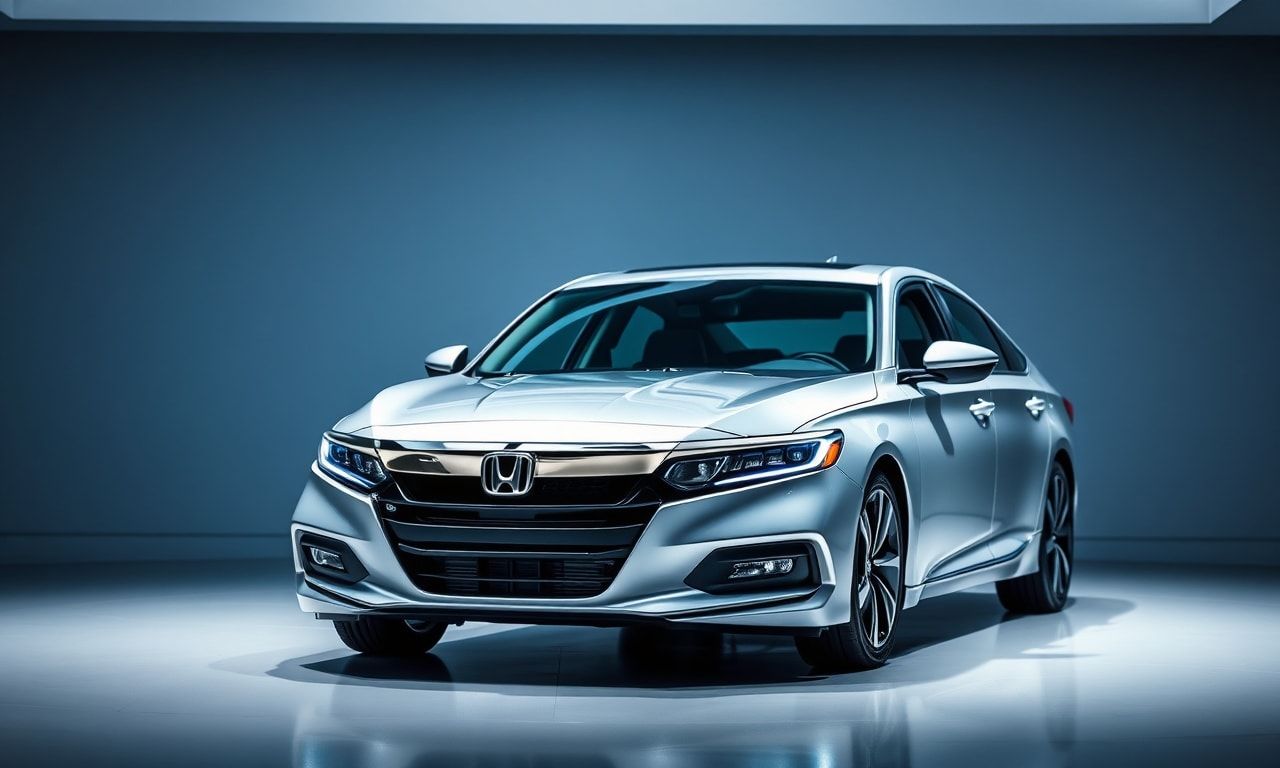
The Evolution of Honda Accord
The Honda Accord has long been a benchmark for automotive excellence, continually integrating cutting-edge technology to enhance performance, safety, and user experience. From its inception, the Accord has embodied Honda’s commitment to innovation, setting the stage for future advancements in the automotive industry. This article explores the technological milestones of the Honda Accord and delves into the broader landscape of automotive technology, highlighting how these innovations are shaping the future of driving.
Technological Innovations in the Honda Accord
The Honda Accord has consistently been at the forefront of technological integration. One of the most notable advancements is the introduction of the Honda Sensing suite, a comprehensive safety and driver-assistance system. This suite includes features such as Collision Mitigation Braking, Road Departure Mitigation, Adaptive Cruise Control, and Lane Keeping Assist, all designed to enhance safety and reduce the risk of accidents. Additionally, the Accord’s infotainment system, complete with a large touchscreen display and seamless smartphone integration, offers a user-friendly interface that keeps drivers connected and informed.
Another significant innovation is the Accord’s hybrid powertrain, which combines a gasoline engine with an electric motor to deliver impressive fuel efficiency without compromising performance. This hybrid technology not only reduces emissions but also provides a smoother, more responsive driving experience. The integration of advanced materials and aerodynamic design further enhances the Accord’s efficiency and performance, making it a standout in its class.
The Role of AI in Automotive Technology
Artificial Intelligence (AI) is playing an increasingly pivotal role in the development of automotive technology. AI-driven systems are enhancing vehicle safety, improving navigation, and personalizing the driving experience. For instance, AI algorithms can analyze vast amounts of data from sensors and cameras to predict potential hazards and take preemptive measures to avoid accidents. Additionally, AI-powered voice assistants, like those found in modern vehicles, provide hands-free control over various functions, from climate control to navigation, making driving more convenient and safer.
AI is also instrumental in the development of autonomous driving technology. Self-driving cars rely on complex AI systems to interpret data from their surroundings and make real-time decisions. While fully autonomous vehicles are still in the developmental stages, the progress made so far is promising. The integration of AI in the Honda Accord and other vehicles is paving the way for a future where driving is not only safer but also more efficient and enjoyable.
Cybersecurity in Modern Vehicles
As vehicles become more connected, the importance of cybersecurity cannot be overstated. Modern vehicles are equipped with numerous sensors, cameras, and communication systems that collect and transmit data. This interconnectedness, while beneficial, also creates potential vulnerabilities that can be exploited by cybercriminals. To address this, automotive manufacturers are investing heavily in cybersecurity measures to protect vehicles from cyber threats.
Honda, for example, has implemented robust cybersecurity protocols to safeguard the Accord and other models from potential cyber attacks. These measures include encryption of data, secure communication protocols, and regular software updates to patch any vulnerabilities. Additionally, Honda collaborates with cybersecurity experts to stay ahead of emerging threats and ensure that their vehicles remain secure.
The Future of Automotive Technology
The future of automotive technology is bright, with numerous innovations on the horizon. One of the most anticipated developments is the widespread adoption of electric vehicles (EVs). EVs offer numerous benefits, including zero emissions, lower operating costs, and reduced dependence on fossil fuels. Honda is actively investing in EV technology, with plans to introduce a range of electric vehicles in the coming years.
Another exciting development is the integration of Vehicle-to-Everything (V2X) communication technology. V2X enables vehicles to communicate with each other and with infrastructure such as traffic lights and road signs. This technology can significantly improve traffic flow, reduce congestion, and enhance safety by providing real-time information to drivers. The Honda Accord and other vehicles are likely to incorporate V2X technology in the future, further enhancing the driving experience.
In addition to these advancements, the automotive industry is exploring the use of advanced materials and manufacturing techniques to create lighter, stronger, and more efficient vehicles. For example, the use of carbon fiber and other composite materials can reduce vehicle weight, improving fuel efficiency and performance. Honda is at the forefront of these innovations, continually pushing the boundaries of what is possible in automotive technology.
Celebrating Milestones with Technology
As we celebrate the milestones and anniversaries of iconic vehicles like the Honda Accord, it’s worth noting how technology has played a crucial role in their success. From the early days of mechanical innovations to the current era of AI and cybersecurity, the journey of the Accord reflects the broader evolution of the automotive industry. For those looking to commemorate these milestones, consider exploring unique and innovative gifts, such as a blackhawks jersey for anniversaries, which blend tradition with modern technology.
In conclusion, the Honda Accord’s technological advancements are a testament to the broader innovations shaping the future of automotive technology. From AI and cybersecurity to electric vehicles and V2X communication, the future of driving is set to be safer, more efficient, and more enjoyable than ever before. As we look ahead, it’s clear that the Honda Accord will continue to be a leader in this exciting journey.
If you enjoyed this article, we recommend checking out Будущее кибербезопасности: Инновации и вызовы for further reading.
For a deeper understanding of this topic, Så Investerar Du Klokt i En offers valuable insights worth exploring.
