
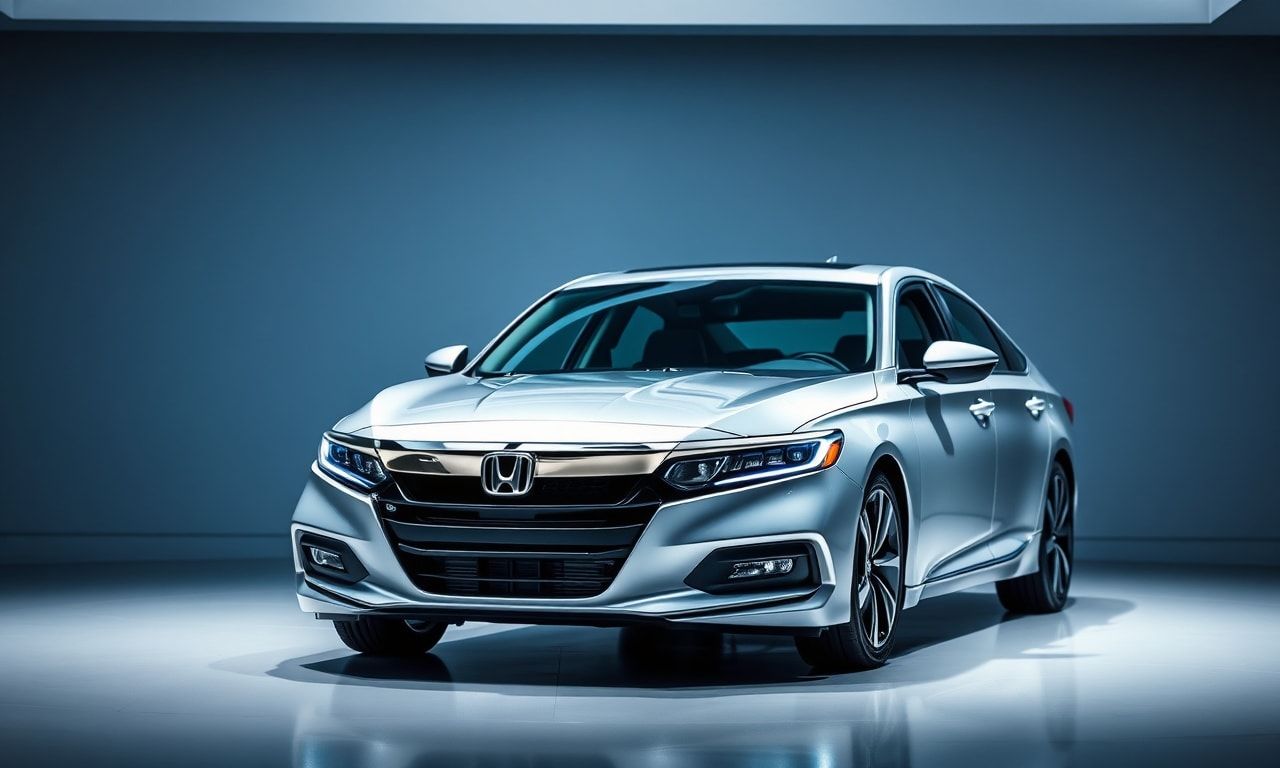
The Evolution of Honda Accord: A Technological Journey
The Honda Accord has long been a benchmark in the automotive industry, consistently integrating cutting-edge technology to enhance performance, safety, and user experience. From its inception, the Accord has embodied Honda’s commitment to innovation, setting the stage for future advancements in automotive technology.
Advanced Driver-Assistance Systems (ADAS)
Modern Honda Accord models are equipped with state-of-the-art Advanced Driver-Assistance Systems (ADAS) that leverage artificial intelligence and sensor technology to provide a safer driving experience. Features such as adaptive cruise control, lane-keeping assist, and automatic emergency braking are becoming standard, reflecting a broader trend in the industry towards autonomous driving capabilities. These systems not only reduce the risk of accidents but also pave the way for fully autonomous vehicles in the near future.
The Role of AI in ADAS
Artificial intelligence plays a pivotal role in the functionality of ADAS. Machine learning algorithms analyze vast amounts of data from sensors and cameras to make real-time decisions. For instance, AI can distinguish between a pedestrian and a stationary object, ensuring appropriate responses. This integration of AI into automotive technology is revolutionizing the way we interact with our vehicles, making them more intuitive and responsive to our needs.
Connectivity and Infotainment
In today’s digital age, connectivity is paramount. The Honda Accord offers seamless integration with smartphones through Apple CarPlay and Android Auto, allowing drivers to access navigation, music, and communication apps directly from the vehicle’s infotainment system. This level of connectivity is not just about convenience; it’s about creating a cohesive digital ecosystem that enhances the overall driving experience.
Moreover, the integration of 5G technology is on the horizon, promising even faster and more reliable connectivity. This will enable features like real-time traffic updates, remote vehicle diagnostics, and over-the-air software updates, ensuring that the Accord remains at the forefront of technological innovation.
The Impact of 5G on Automotive Technology
5G technology is set to revolutionize the automotive industry by providing ultra-low latency and high-speed data transfer. This will facilitate advanced features such as vehicle-to-vehicle (V2V) and vehicle-to-infrastructure (V2I) communication, enabling cars to share data about road conditions, traffic, and potential hazards. Such advancements will not only improve safety but also enhance the efficiency of traffic management systems.
Cybersecurity in Modern Vehicles
As vehicles become more connected, the importance of cybersecurity cannot be overstated. The Honda Accord incorporates robust security measures to protect against cyber threats, ensuring that sensitive data and vehicle systems remain secure. This includes encryption protocols, secure boot processes, and regular software updates to address potential vulnerabilities.
Looking ahead, the integration of blockchain technology could further enhance cybersecurity in vehicles. Blockchain’s decentralized nature makes it highly resistant to tampering, providing an additional layer of protection for critical vehicle systems and data.
The Future of Cybersecurity in Automotive Technology
Cybersecurity in the automotive industry is evolving rapidly. Future advancements may include the use of quantum encryption, which offers unparalleled levels of security. Additionally, the implementation of AI-driven cybersecurity systems could enable real-time threat detection and response, ensuring that vehicles remain protected against emerging threats.
Sustainability and Technological Innovation
The automotive industry is increasingly focused on sustainability, and the Honda Accord is no exception. The integration of hybrid and electric powertrains reflects a commitment to reducing carbon emissions and promoting eco-friendly transportation. These advancements are not only beneficial for the environment but also align with the growing consumer demand for sustainable vehicles.
Furthermore, the use of lightweight materials and advanced manufacturing techniques contributes to the overall efficiency and sustainability of the Accord. These innovations highlight the intersection of technology and environmental responsibility, setting a new standard for the automotive industry.
The Role of AI in Sustainable Transportation
AI is playing a crucial role in the development of sustainable transportation solutions. Machine learning algorithms optimize energy consumption, improve battery life, and enhance the overall efficiency of electric and hybrid vehicles. Additionally, AI-driven traffic management systems can reduce congestion and improve fuel efficiency, contributing to a more sustainable transportation ecosystem.
In conclusion, the Honda Accord’s commitment to technological innovation is a testament to the broader advancements in the automotive industry. From AI-driven safety features to cutting-edge connectivity and cybersecurity measures, the Accord continues to set the standard for modern vehicles. As we look to the future, the integration of these technologies will not only enhance the driving experience but also contribute to a more sustainable and connected world. For those interested in the latest trends in technology and fashion, exploring platforms like en trendy yaz giysileri 2026 can provide a unique perspective on how technology influences various aspects of our lives.
Discover how tech innovations have shaped the fashion landscape in entertainment with our latest feature, entertainment’s digital fashion revolution, offering a unique perspective on the intersection of technology and style.
In the realm of digital art and technology, exploring oil painting innovations offers a fascinating look into how traditional techniques are evolving with modern advancements.
As technology continues to influence our lives, it’s fascinating to see how it shapes future fashion trends, particularly in smart textiles and wearable tech; discover what to expect in summer clothing by 2026.
