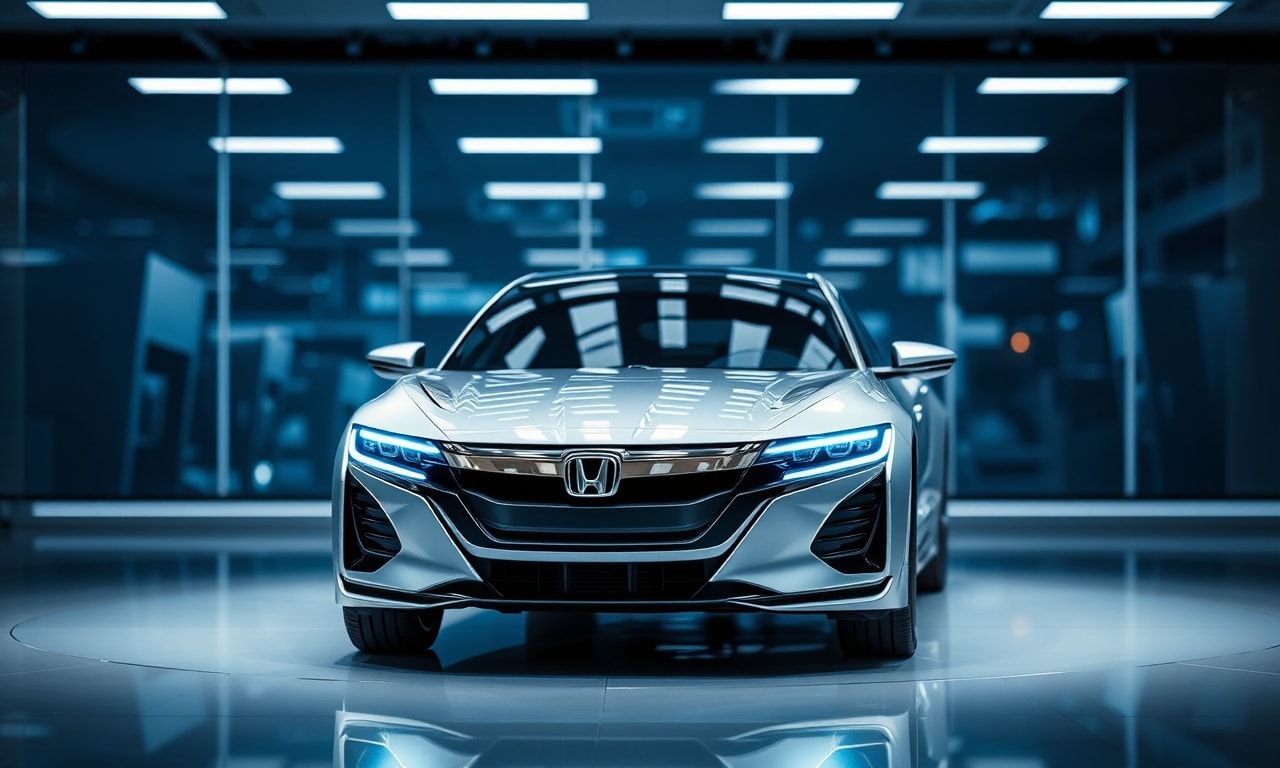
The Evolution of Automotive Technology
The automotive industry has witnessed a remarkable transformation over the past few decades, driven by rapid advancements in technology. From the introduction of electric vehicles to the integration of artificial intelligence (AI) and the Internet of Things (IoT), the landscape of automotive technology is evolving at an unprecedented pace. Honda, a pioneer in the automotive sector, has been at the forefront of these innovations, consistently pushing the boundaries of what is possible.
Honda’s Commitment to Innovation
Honda has long been recognized for its commitment to innovation and quality. The company’s dedication to research and development has resulted in a range of cutting-edge technologies that enhance vehicle performance, safety, and sustainability. One of the most notable advancements is Honda’s integration of AI and machine learning algorithms into their vehicles. These technologies enable cars to learn from driving patterns, adapt to different driving conditions, and provide a more personalized driving experience.
In addition to AI, Honda has also made significant strides in the development of advanced driver-assistance systems (ADAS). These systems use a combination of sensors, cameras, and radar to monitor the vehicle’s surroundings and provide real-time assistance to the driver. Features such as adaptive cruise control, lane-keeping assist, and automatic emergency braking have become standard in many Honda models, contributing to improved safety and reduced accident rates.
The Role of Connectivity and IoT
Connectivity and the IoT are playing an increasingly important role in the automotive industry. Honda has embraced these technologies to create a seamless and connected driving experience. By integrating vehicles with smartphones and other devices, Honda enables drivers to access a wide range of features and services, from navigation and entertainment to remote diagnostics and maintenance alerts.
Moreover, the integration of IoT technologies allows Honda to collect and analyze vast amounts of data from vehicles in real-time. This data can be used to improve vehicle performance, identify potential issues before they become major problems, and enhance the overall driving experience. For instance, Honda’s connected cars can provide drivers with real-time traffic updates, suggest alternative routes, and even predict maintenance needs based on driving patterns and vehicle usage.
The Impact of Tech Startup News Innovations
The automotive industry is not just about established manufacturers like Honda; it is also shaped by the innovations coming from tech startups. These startups are driving the next wave of technological advancements, from autonomous driving to electric vehicle (EV) batteries. For the latest updates on tech startup news innovations, it’s essential to stay informed through reliable sources like tech startup news innovations.
Tech startups are also contributing to the development of new materials and manufacturing processes that can make vehicles lighter, more efficient, and more sustainable. For example, startups are exploring the use of advanced composites and 3D printing technologies to create vehicle components that are both strong and lightweight. These innovations not only improve vehicle performance but also reduce the environmental impact of manufacturing and operation.
The Future of Automotive Technology
Looking ahead, the future of automotive technology is bright and filled with exciting possibilities. Honda and other industry leaders are investing heavily in research and development to stay ahead of the curve. Some of the key areas of focus include:
- Autonomous Driving: The development of fully autonomous vehicles is a major focus for Honda and other manufacturers. Autonomous driving technology has the potential to revolutionize the way we travel, making roads safer and reducing traffic congestion.
- Electric Vehicles: The shift towards electric vehicles is gaining momentum, driven by concerns about climate change and the need for sustainable transportation. Honda is investing in the development of new EV technologies, including more efficient batteries and faster charging systems.
- Cybersecurity: As vehicles become more connected, the need for robust cybersecurity measures becomes increasingly important. Honda is working to develop advanced cybersecurity solutions to protect vehicles from cyber threats and ensure the safety and privacy of drivers.
- Sustainable Materials: The use of sustainable materials in vehicle manufacturing is another area of focus. Honda is exploring the use of recycled materials and biodegradable components to reduce the environmental impact of vehicle production.
Conclusion
The automotive industry is undergoing a profound transformation, driven by rapid advancements in technology. Honda’s commitment to innovation and quality has positioned the company as a leader in the industry, consistently pushing the boundaries of what is possible. From AI and ADAS to connectivity and IoT, Honda’s technologies are enhancing vehicle performance, safety, and sustainability. As the industry continues to evolve, the contributions of tech startups and the focus on autonomous driving, electric vehicles, cybersecurity, and sustainable materials will shape the future of automotive technology.