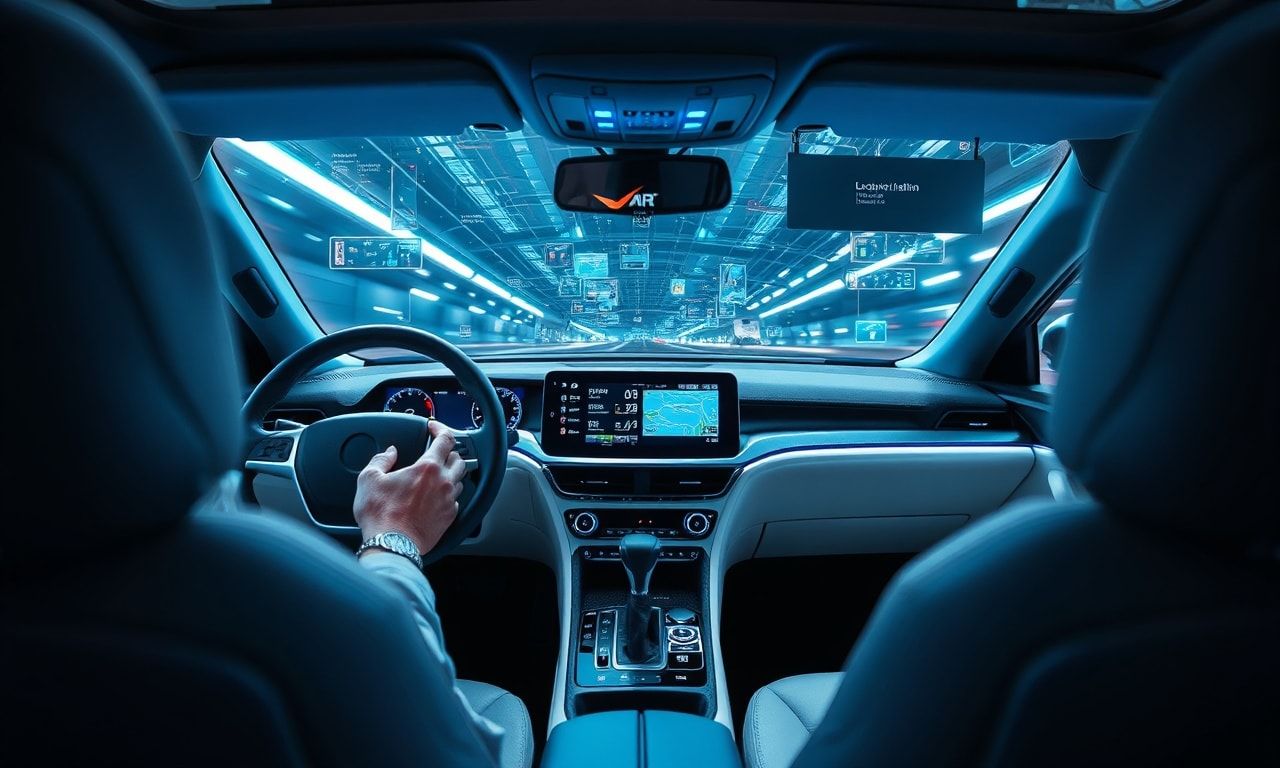
The Evolution of In-Car Technology
The automotive industry has always been at the forefront of technological innovation. From the invention of the automobile to the development of advanced driver-assistance systems (ADAS), cars have evolved significantly over the years. As we look ahead to 2026, the integration of cutting-edge technologies promises to revolutionize the driving experience. This article explores the future of in-car technology, focusing on advancements in software, AI, and cybersecurity, and how these innovations will shape the vehicles of tomorrow.
Artificial Intelligence and Machine Learning
Artificial Intelligence (AI) and Machine Learning (ML) are set to play a pivotal role in the future of in-car technology. By 2026, AI-powered systems will be capable of learning and adapting to the preferences and behaviors of individual drivers. This will enable cars to provide personalized recommendations, optimize routes, and even predict maintenance needs before they become critical issues. AI will also enhance the capabilities of ADAS, making driving safer and more efficient. For instance, AI algorithms can analyze data from sensors and cameras to detect potential hazards and take preventive measures, such as automatic braking or steering adjustments.
Moreover, AI will facilitate seamless integration with other smart devices and systems. Imagine a car that can sync with your smart home, adjusting the interior climate to your liking before you even get in, or a vehicle that communicates with traffic management systems to reduce congestion and improve traffic flow. These advancements will not only enhance the driving experience but also contribute to a more sustainable and efficient transportation ecosystem.
The Role of Software in Modern Vehicles
Software is becoming increasingly central to the functioning of modern vehicles. By 2026, cars will rely heavily on sophisticated software systems to manage everything from infotainment and navigation to engine performance and safety features. Over-the-air (OTA) updates will become standard, allowing manufacturers to continuously improve and update vehicle software without the need for physical visits to service centers. This will ensure that cars remain up-to-date with the latest features and security patches, enhancing both performance and safety.
In addition to OTA updates, software will enable new levels of connectivity and interoperability. Cars will be able to communicate with each other and with infrastructure, creating a network of intelligent vehicles that can share information about road conditions, traffic, and potential hazards. This vehicle-to-everything (V2X) communication will be crucial for the development of autonomous driving technologies, as it will allow vehicles to make informed decisions based on real-time data.
Cybersecurity in the Age of Connected Cars
As vehicles become more connected and reliant on software, the importance of cybersecurity cannot be overstated. By 2026, cybersecurity measures will be a critical component of in-car technology, protecting vehicles from potential cyber threats and ensuring the safety of drivers and passengers. Manufacturers will need to implement robust security protocols to safeguard against hacking, data breaches, and other cyber risks.
One of the key challenges in cybersecurity for connected cars is the need to secure the vast amount of data generated and transmitted by these vehicles. This data includes personal information, driving habits, and vehicle diagnostics, all of which must be protected from unauthorized access. Advanced encryption techniques and secure communication protocols will be essential in ensuring the integrity and confidentiality of this data.
Furthermore, cybersecurity will extend beyond the vehicle itself to encompass the entire ecosystem of connected devices and services. For example, ensuring that smart home systems and mobile devices are secure will be crucial in preventing potential vulnerabilities that could be exploited to gain access to a vehicle’s systems. Collaboration between automakers, technology companies, and cybersecurity experts will be essential in developing comprehensive security solutions that can address the evolving threats of the digital age.
The Impact of Interior Design Trends
While technological advancements are transforming the functionality of vehicles, they are also influencing the design and aesthetics of car interiors. By 2026, interior design trends will focus on creating immersive and personalized driving experiences. Innovations such as augmented reality (AR) displays, holographic interfaces, and adaptive lighting will redefine the way drivers interact with their vehicles. These advancements will not only enhance the visual appeal of car interiors but also improve usability and comfort.
For instance, AR displays can provide real-time information and navigation guidance, overlaying digital elements onto the real-world view through the windshield. This technology can help drivers stay focused on the road while receiving important information. Similarly, holographic interfaces can create interactive 3D displays that allow drivers to control various functions with simple gestures, making the driving experience more intuitive and engaging. Adaptive lighting systems can adjust the interior ambiance based on the driver’s mood or the time of day, creating a more personalized and comfortable environment.
To explore more about the latest interior design trends and how they are shaping the future of car interiors, visit interior design trends 2026.
Conclusion
The future of in-car technology is bright and full of exciting possibilities. By 2026, advancements in AI, software, and cybersecurity will transform the driving experience, making it safer, more efficient, and more personalized. As vehicles become increasingly connected and intelligent, the role of technology in the automotive industry will continue to grow, paving the way for a new era of mobility. Embracing these innovations will be crucial for manufacturers and consumers alike, as they navigate the evolving landscape of in-car technology.
Delve into the fascinating world of tech-driven environmental solutions by exploring tech’s role in sustainability, a comprehensive analysis of cutting-edge innovations.
As technology continues to reshape our interactions, discover how digital advancements enhance communication in our latest feature article.
AI’s transformative impact on healthcare is a topic of immense interest, and our latest article, exploring AI in healthcare, delves into the revolutionary technologies and applications shaping this field.