The Evolution of Smart Cities
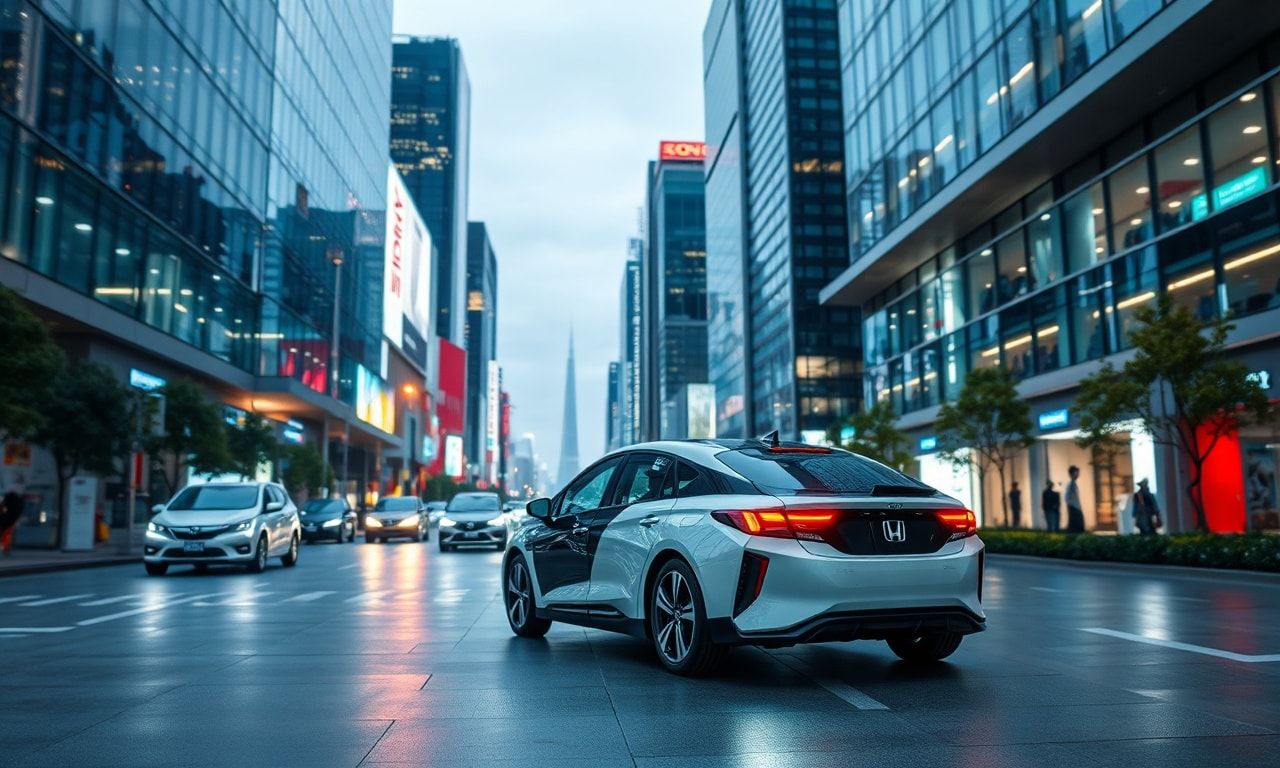
Smart cities are no longer a concept of the distant future. They are becoming a reality, thanks to rapid advancements in technology. These cities leverage data and technology to improve the quality of life for their residents, enhance sustainability, and streamline urban operations. At the forefront of this evolution are companies like Honda, which are integrating cutting-edge technology into urban infrastructure.
Honda’s Contributions to Smart Cities
Honda, known for its innovative approach to mobility, is playing a significant role in the development of smart cities. The company’s commitment to creating sustainable and efficient urban environments is evident in its various initiatives. For instance, Honda’s work on connected vehicles and smart traffic management systems is revolutionizing urban mobility. These systems use real-time data to optimize traffic flow, reduce congestion, and enhance safety.
Connected Vehicles and V2X Technology
One of the key technologies driving Honda’s smart city initiatives is Vehicle-to-Everything (V2X) communication. This technology allows vehicles to communicate with each other and with the surrounding infrastructure, such as traffic lights and road signs. By exchanging information in real-time, V2X technology can prevent accidents, reduce travel time, and improve overall traffic efficiency. Honda’s connected vehicles are equipped with advanced sensors and communication systems that enable seamless interaction with the urban environment.
Smart Traffic Management Systems
Honda’s smart traffic management systems are another critical component of smart cities. These systems use artificial intelligence (AI) and machine learning algorithms to analyze traffic patterns and make real-time adjustments. For example, traffic lights can be programmed to change based on the flow of vehicles, reducing wait times and improving traffic flow. Additionally, these systems can integrate with public transportation networks to provide real-time updates and optimize routes, making commuting more efficient and less stressful.
The Role of AI and IoT in Smart Cities
Artificial intelligence (AI) and the Internet of Things (IoT) are the backbone of smart cities. These technologies enable the collection, analysis, and utilization of vast amounts of data to improve urban living. AI algorithms can predict traffic patterns, optimize energy consumption, and enhance public safety. IoT devices, on the other hand, provide real-time data on various aspects of urban life, from air quality to waste management.
AI-Powered Public Safety
AI is transforming public safety in smart cities. Advanced surveillance systems equipped with AI can detect and respond to potential threats in real-time. For example, AI-powered cameras can identify suspicious activities and alert authorities immediately. Additionally, predictive policing algorithms can analyze crime data to identify high-risk areas and allocate resources accordingly. These advancements are making cities safer and more secure for residents.
IoT and Environmental Monitoring
The Internet of Things (IoT) is playing a crucial role in environmental monitoring and sustainability efforts. IoT sensors can measure air quality, water levels, and waste management efficiency. This data can be used to implement targeted solutions for reducing pollution and conserving resources. For instance, smart waste management systems can optimize collection routes and reduce the environmental impact of waste disposal. Similarly, smart irrigation systems can conserve water by adjusting watering schedules based on real-time weather data and soil moisture levels.
The Impact of Smart Cities on Quality of Life
Smart cities have a profound impact on the quality of life for residents. By leveraging technology, these cities can provide more efficient services, reduce environmental impact, and enhance public safety. For example, smart transportation systems can reduce commuting time and improve air quality. Smart energy grids can optimize energy consumption and reduce costs. Additionally, smart healthcare systems can provide timely medical assistance and improve overall health outcomes.
Moreover, smart cities can create opportunities for recreation and leisure. For instance, the integration of technology into parks and recreational areas can enhance the user experience. Imagine a scenario where you can access information about Round Rock Texas hiking and biking trails through a mobile app that provides real-time updates on trail conditions, weather, and available amenities. This level of connectivity and convenience can significantly enhance the quality of life for residents.
Challenges and Future Prospects
Despite the numerous benefits of smart cities, there are challenges that need to be addressed. Data privacy and cybersecurity are major concerns, as the collection and analysis of vast amounts of data can pose risks. Ensuring the security of this data is crucial to maintaining public trust and preventing misuse. Additionally, the high cost of implementing smart city technologies can be a barrier for some municipalities. However, the long-term benefits and cost savings often outweigh the initial investment.
The future of smart cities looks promising, with continuous advancements in technology driving innovation. As more cities adopt smart technologies, the benefits will become more widespread. Companies like Honda are at the forefront of this evolution, paving the way for a more connected, sustainable, and efficient urban future.