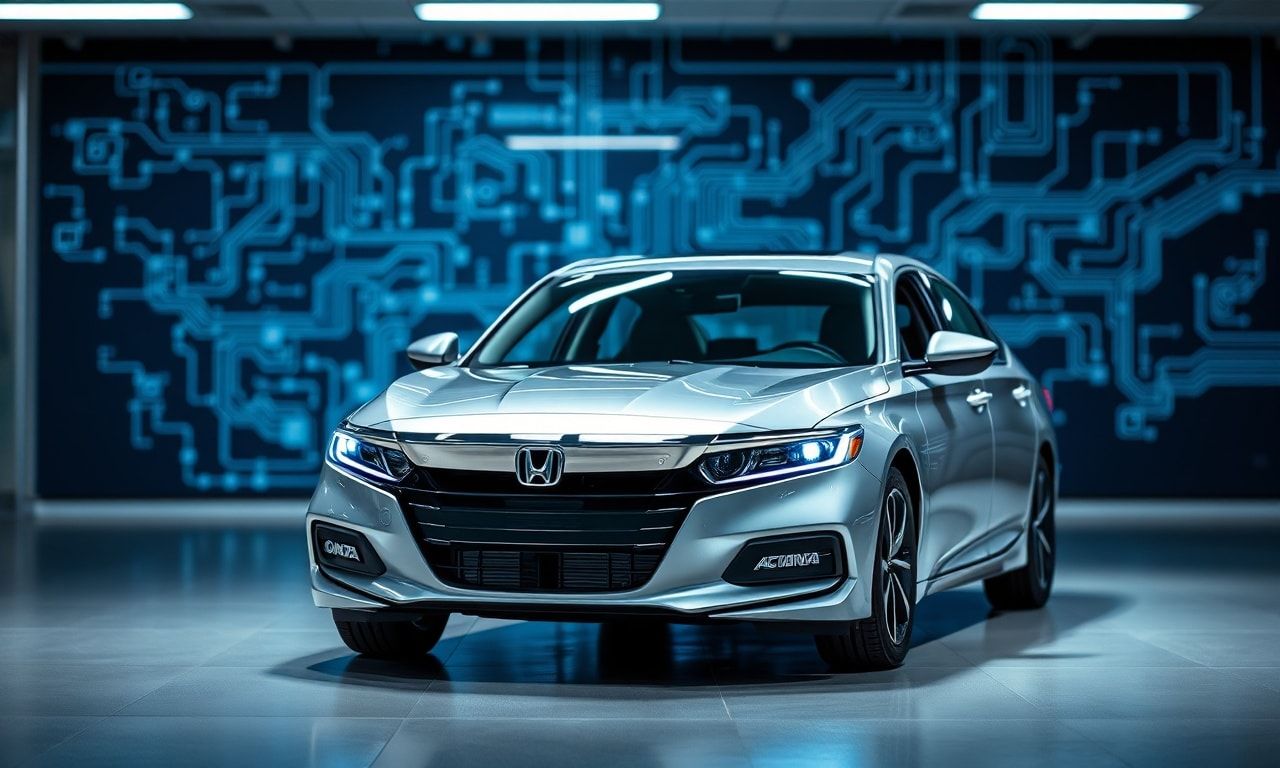
The Evolution of Automotive Technology
The automotive industry has witnessed a significant transformation over the past few decades, driven by rapid advancements in technology. Modern vehicles, including the Honda Accord, are no longer just mechanical marvels but also sophisticated computers on wheels. These vehicles are equipped with a plethora of sensors, cameras, and connectivity features that enhance safety, convenience, and entertainment. However, with these advancements come new challenges, particularly in the realm of cybersecurity.
The Role of Software in Modern Vehicles
Today’s vehicles rely heavily on software to function. From the infotainment system to the advanced driver-assistance systems (ADAS), software plays a crucial role in ensuring the smooth operation of various vehicle functions. The Honda Accord, for instance, utilizes advanced software algorithms to power features like adaptive cruise control, lane-keeping assist, and collision mitigation braking. These systems rely on real-time data processing and decision-making, making them vulnerable to potential cyber threats.
Connectivity and the Internet of Things (IoT)
Modern vehicles are increasingly connected, thanks to the Internet of Things (IoT). This connectivity allows vehicles to communicate with each other (V2V), with infrastructure (V2I), and with the cloud (V2C). While this connectivity enhances the driving experience, it also opens up new avenues for cyberattacks. According to Wirtschaft Unternehmen Nachrichten, the automotive industry is increasingly becoming a target for cybercriminals who exploit vulnerabilities in connected systems to gain unauthorized access to vehicle data or control systems.
Cybersecurity Challenges in the Automotive Industry
The automotive industry faces several cybersecurity challenges. One of the primary concerns is the increasing complexity of vehicle systems, which makes them more susceptible to cyberattacks. Additionally, the long lifespan of vehicles means that security updates and patches may not be applied as frequently as in other industries, leaving older vehicles vulnerable to known exploits.
Common Cyber Threats
Some of the common cyber threats in the automotive industry include:
- Remote Hacking: Cybercriminals can potentially gain remote access to a vehicle’s systems, allowing them to control various functions, such as braking, steering, and acceleration.
- Data Theft: Vehicles collect a vast amount of data, including personal information, location data, and driving habits. This data can be stolen and used for malicious purposes.
- Ransomware Attacks: Cybercriminals can encrypt a vehicle’s systems and demand a ransom to restore access.
- Firmware Tampering: Attackers can modify a vehicle’s firmware to introduce malware or disable safety features.
Protecting the Honda Accord from Cyber Threats
To protect the Honda Accord and other modern vehicles from cyber threats, manufacturers and consumers must take proactive measures. Manufacturers should prioritize cybersecurity in the design and development of vehicle systems, implementing robust security measures such as encryption, intrusion detection systems, and secure boot processes. Additionally, manufacturers should provide regular software updates and patches to address known vulnerabilities.
Consumer Best Practices
Consumers can also take steps to protect their vehicles from cyber threats. These include:
- Keeping Software Updated: Regularly updating the vehicle’s software ensures that the latest security patches are applied.
- Using Strong Passwords: If the vehicle has a connected infotainment system, using strong, unique passwords can help prevent unauthorized access.
- Disabling Unused Features: Disabling features that are not in use can reduce the attack surface.
- Being Cautious with Connectivity: Avoid connecting unknown devices to the vehicle’s systems and be cautious when using public Wi-Fi networks.
The Future of Automotive Cybersecurity
The future of automotive cybersecurity looks promising, with advancements in artificial intelligence (AI) and machine learning (ML) playing a crucial role. These technologies can be used to detect and mitigate cyber threats in real-time, providing an additional layer of protection for vehicles like the Honda Accord. Additionally, the development of secure vehicle-to-everything (V2X) communication protocols will further enhance the security of connected vehicles.
In conclusion, while the rapid advancements in automotive technology have brought numerous benefits, they have also introduced new cybersecurity challenges. By prioritizing cybersecurity in the design and development of vehicle systems and following best practices, manufacturers and consumers can protect modern vehicles from cyber threats and ensure a safe and secure driving experience.
To delve deeper into the intersection of technology and urban safety, consider exploring smart solutions for city security, a comprehensive guide on leveraging tech innovations for enhanced urban protection.
Delve into the fascinating world of athlete-driven tech innovations and lifestyle choices by exploring how athletes leverage technology to excel beyond their fields.
Discover how cutting-edge tech is revolutionizing the sports industry in our latest feature, innovations transforming athletics, where we delve into AI, software, and gadgets that are changing the game.